






Understanding modern bicycle lighting: Technology, batteries and Lupine lighting systems explained
Why high-quality bicycle lighting is crucial
Reliable bicycle lights are among the most important safety factors when cycling. As soon as visibility deteriorates, good lighting determines how early obstacles are detected and how well other road users can see a cyclist.
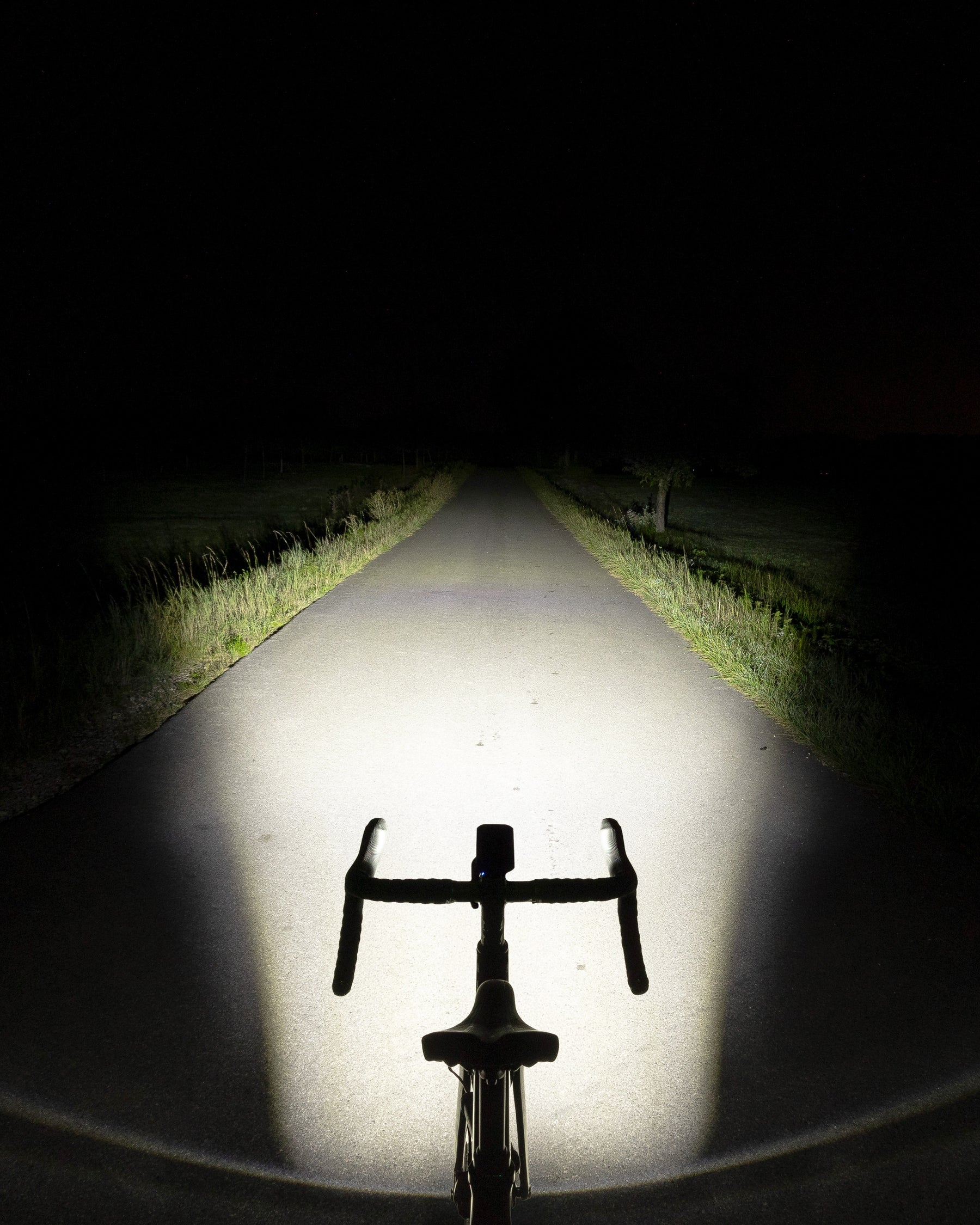
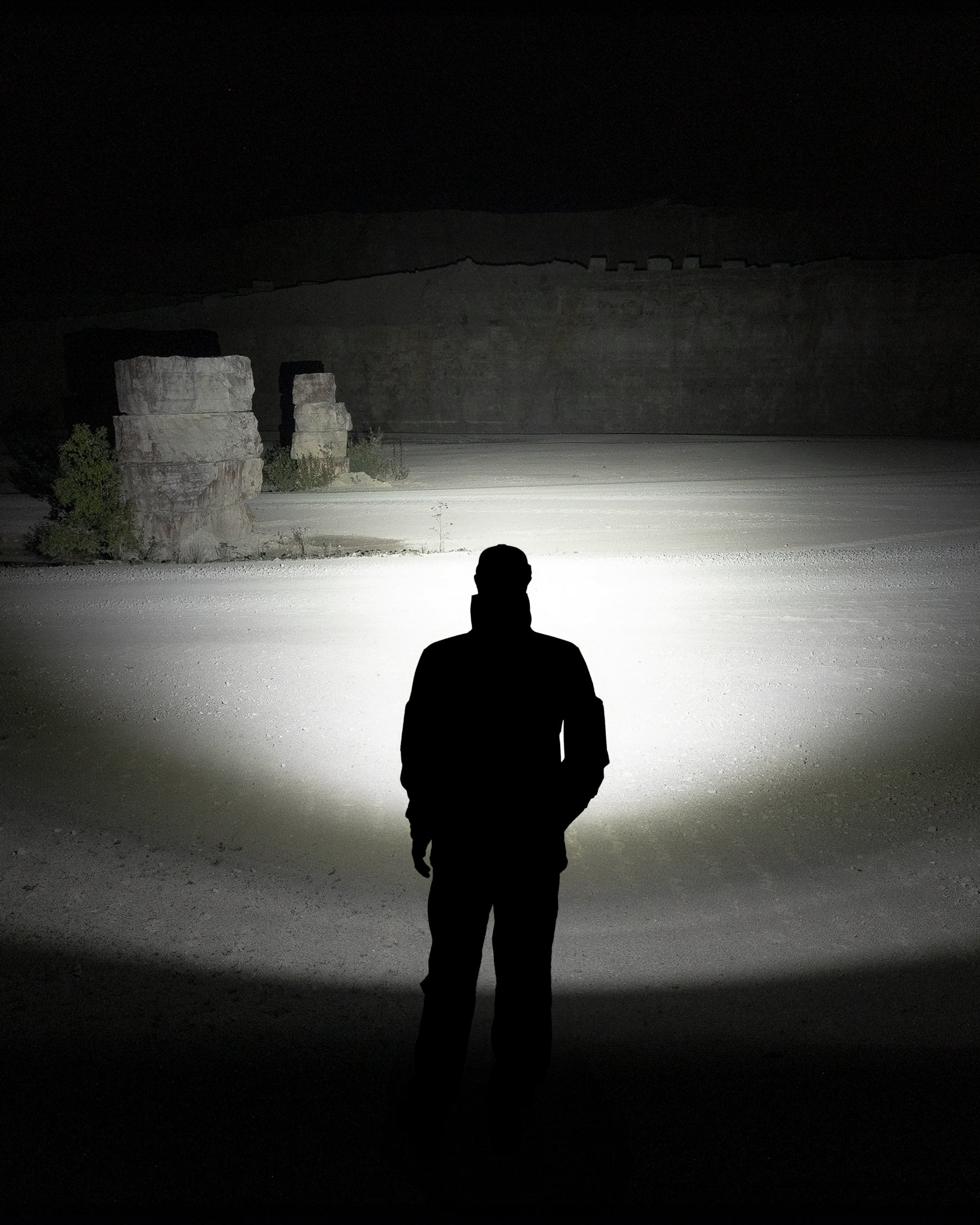
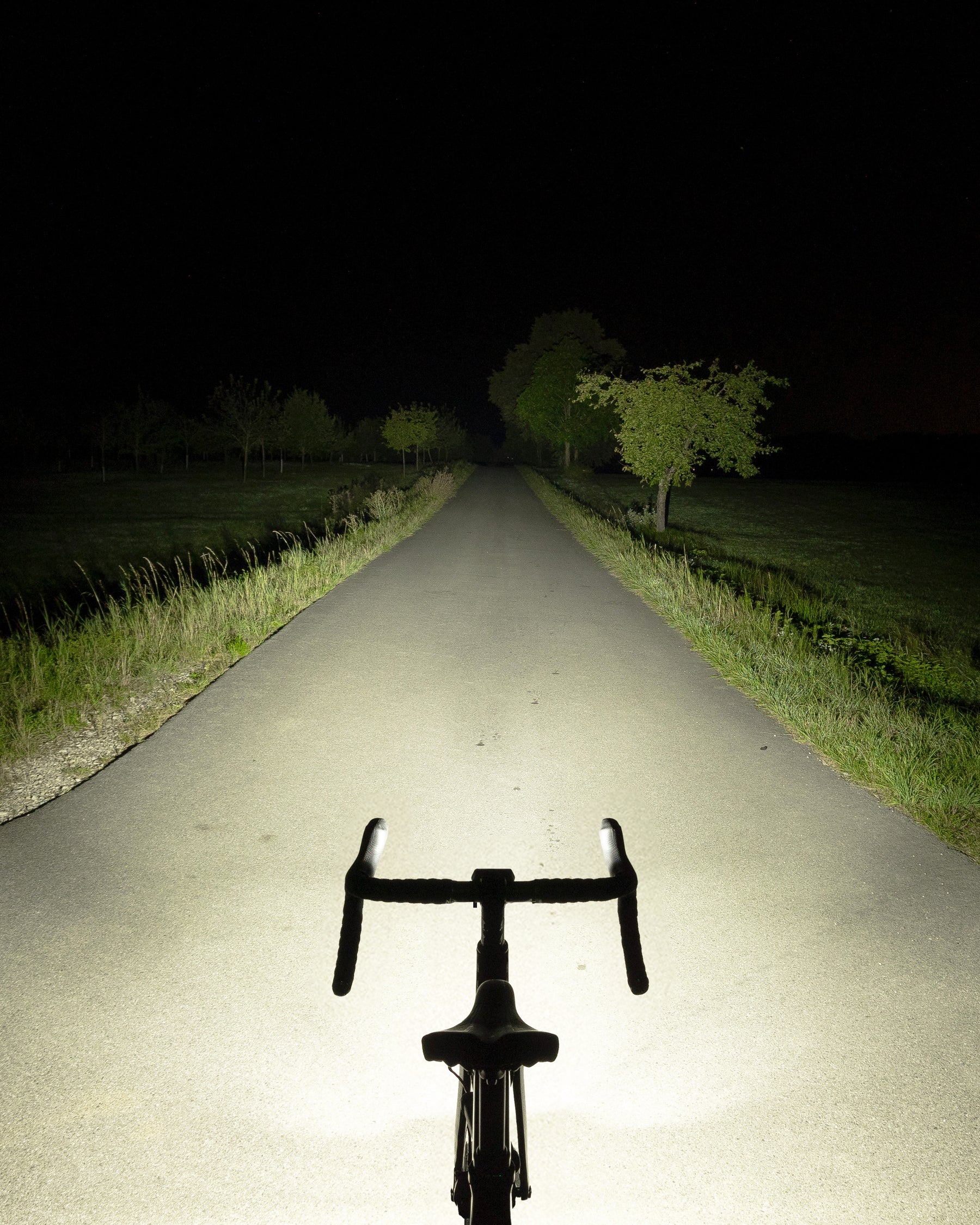
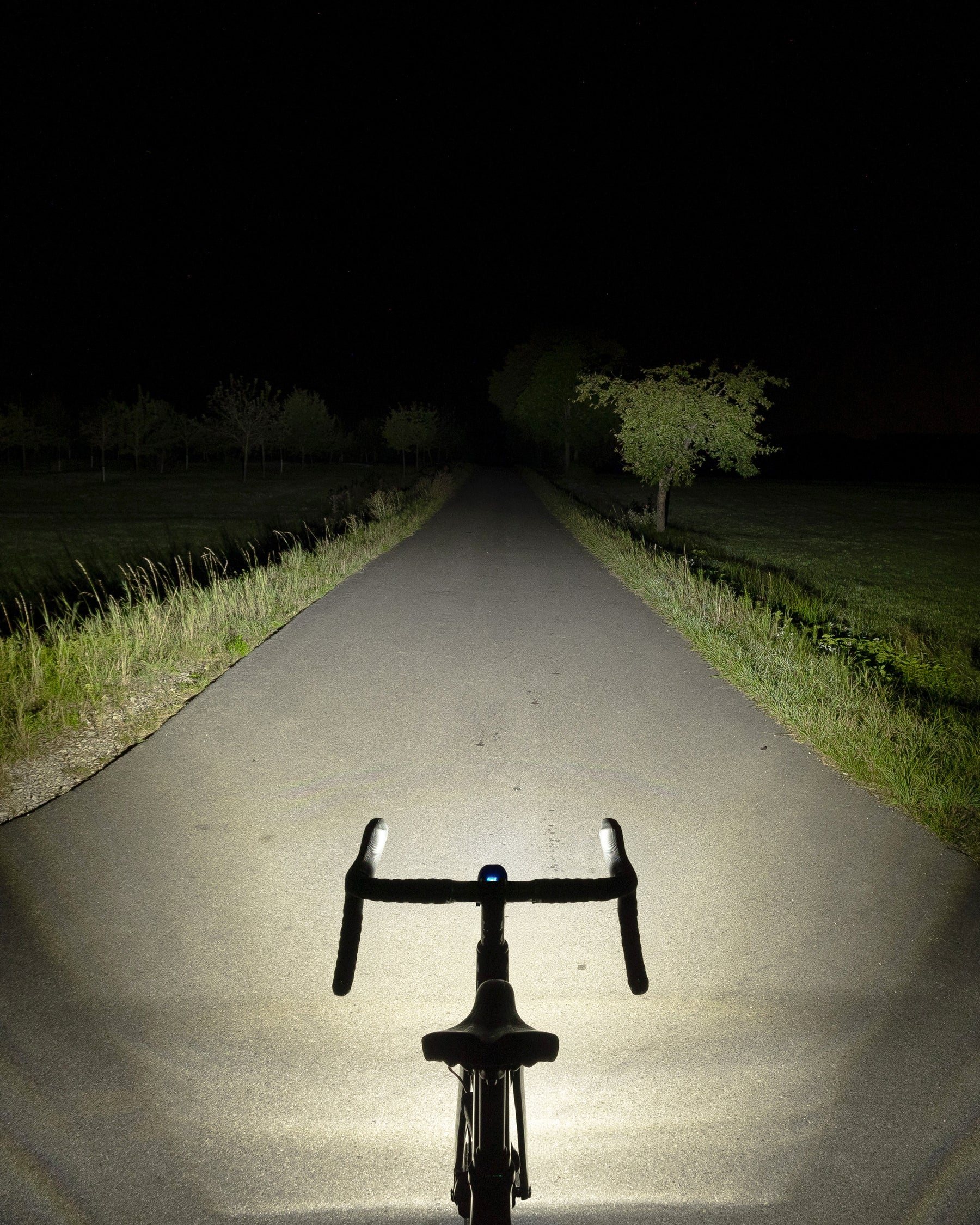
Especially on unlit roads, forest paths, or trails, even illumination of the surroundings is crucial. Modern bicycle lights not only provide high light output but also a controlled beam pattern that illuminates the area broadly and evenly. This allows bumps, curves, or obstacles to be detected early.
Besides sheer brightness, the quality of the light pattern also plays a major role. A well-designed lens distributes the light in such a way that the path is optimally illuminated without oncoming glare to avoid dazzling other road users. Especially in road traffic, a precise light-dark boundary is important to ensure the safety of everyone involved.
High-quality lighting systems are also characterized by their robustness and reliability. Rain, mud, cold, or long journeys place high demands on materials and technology. Lamps specifically designed for use in cycling and outdoor activities are therefore constructed to be particularly durable and designed for a long service life.






Lupine lamps at a glance: bicycle lamps, headlamps and taillights
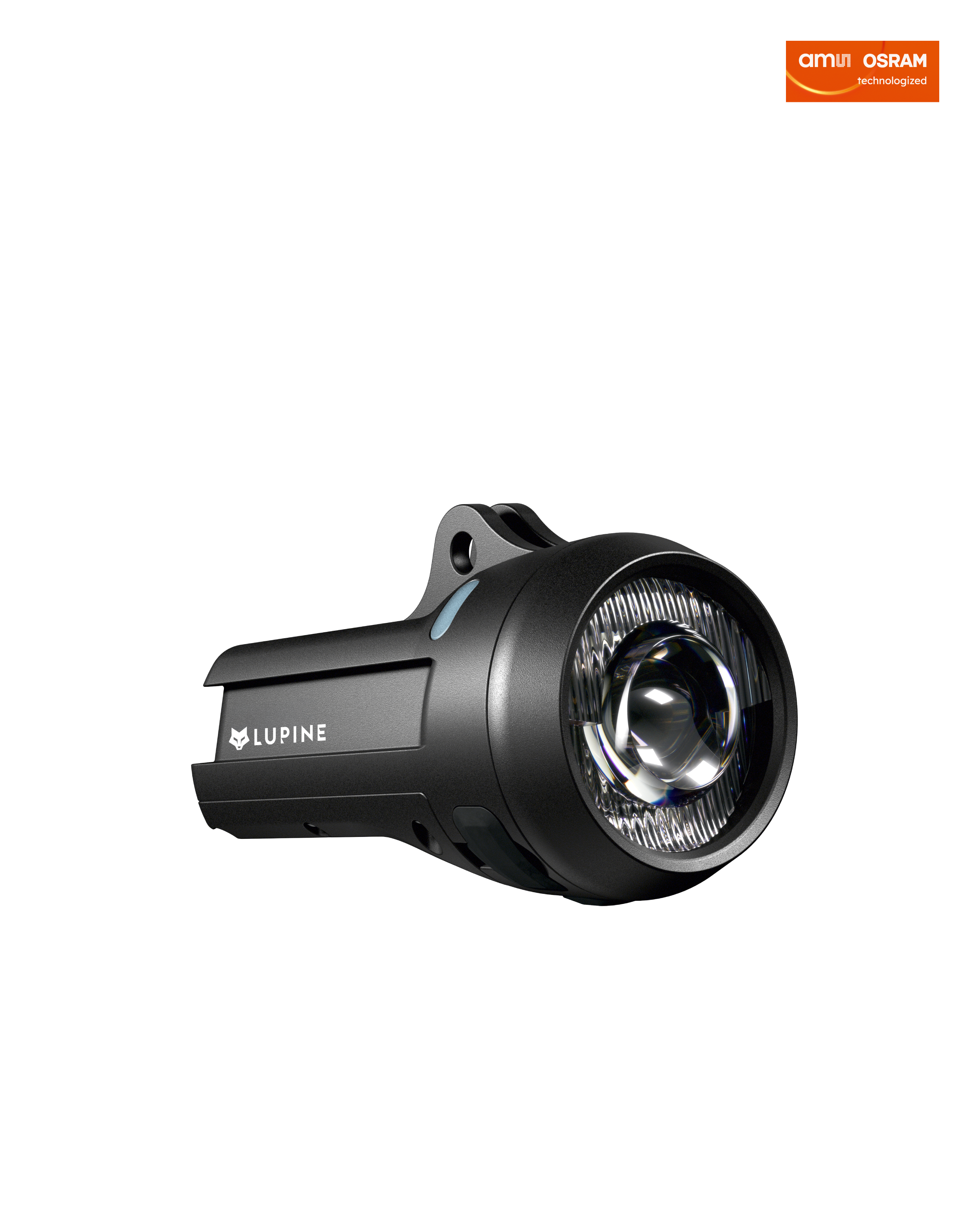
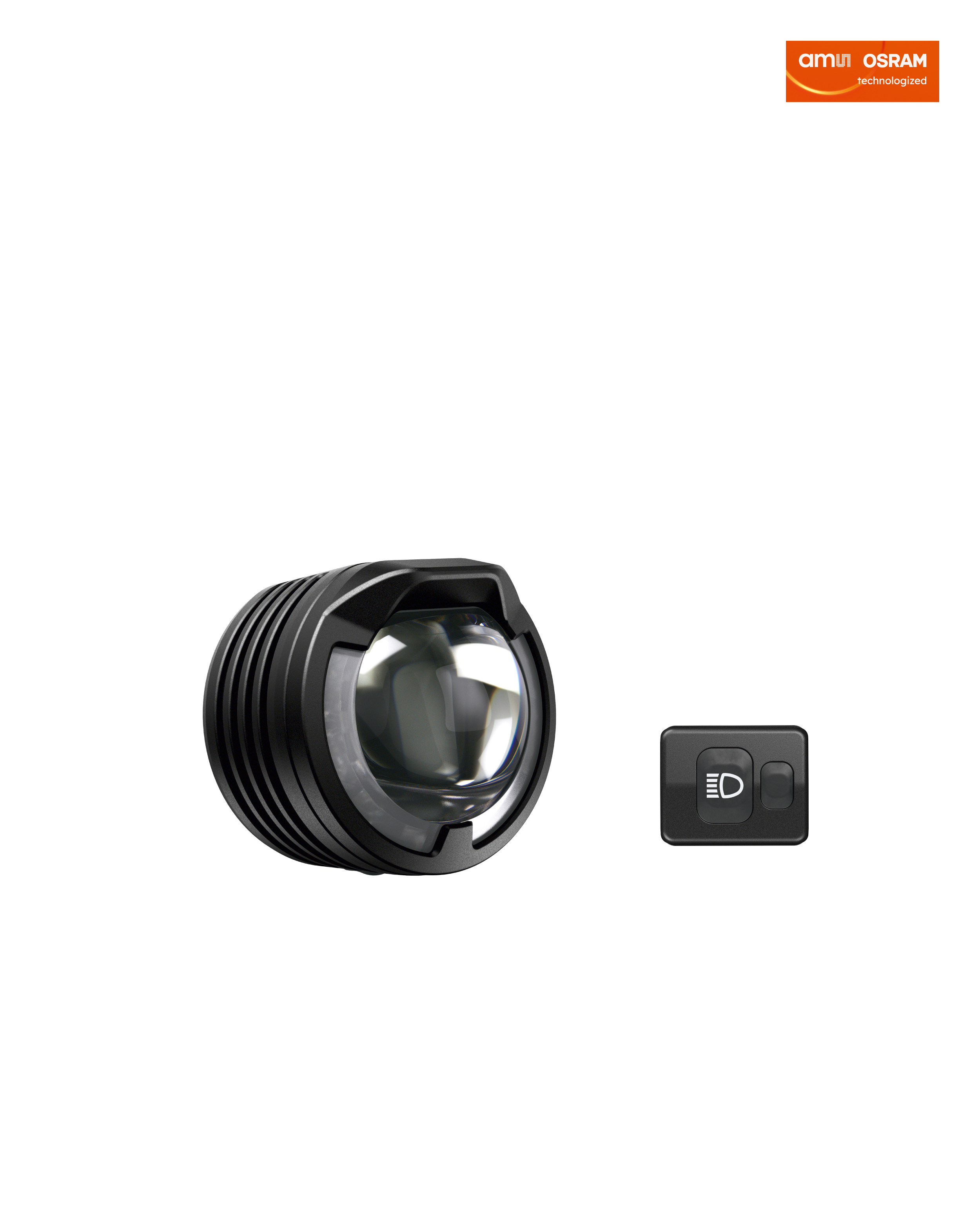
The Lupine range includes various types of lamps, each designed for different applications. Depending on the use – whether on the road, off-road, or during outdoor activities – different models offer specific advantages.
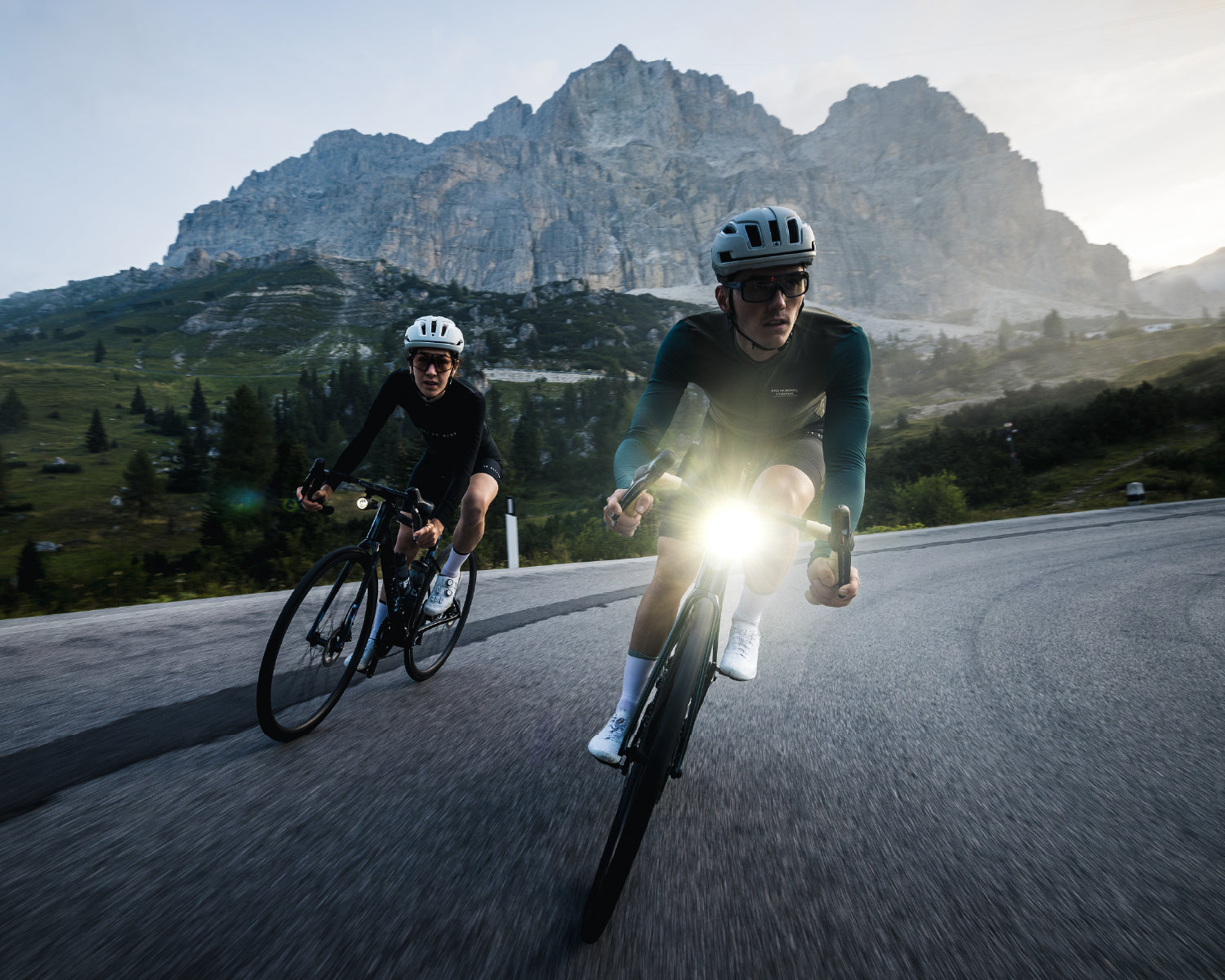
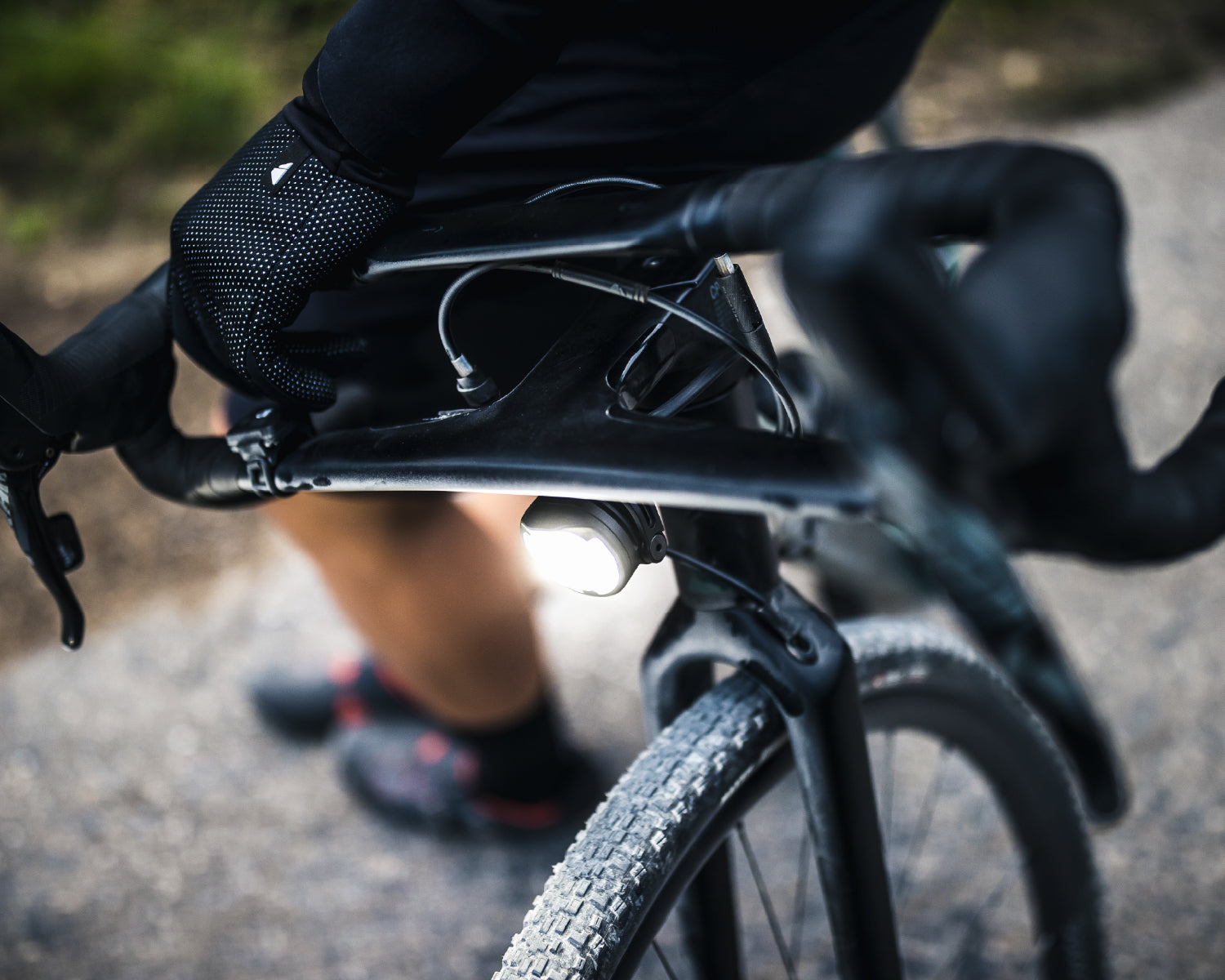
Handlebar-mounted bicycle lights are primarily designed to provide stable illumination of the road ahead. They ensure even light distribution and offer a long range, so that sufficient visibility is maintained even at higher speeds. These lights are particularly popular with commuters, gravel riders, and touring cyclists who ride in the dark.
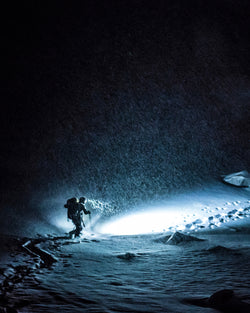
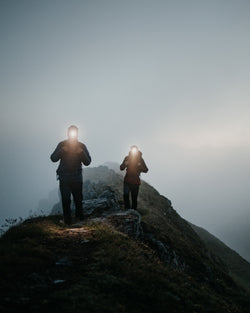
Besides classic handlebar lights, helmet lights and headlamps play an important role. Their advantage lies in the fact that the light automatically follows the direction of gaze. This allows for significantly better orientation, especially when mountain biking or on technical trails, in curves or blind sections. Headlamps are also indispensable in other outdoor activities, such as trail running or mountaineering.
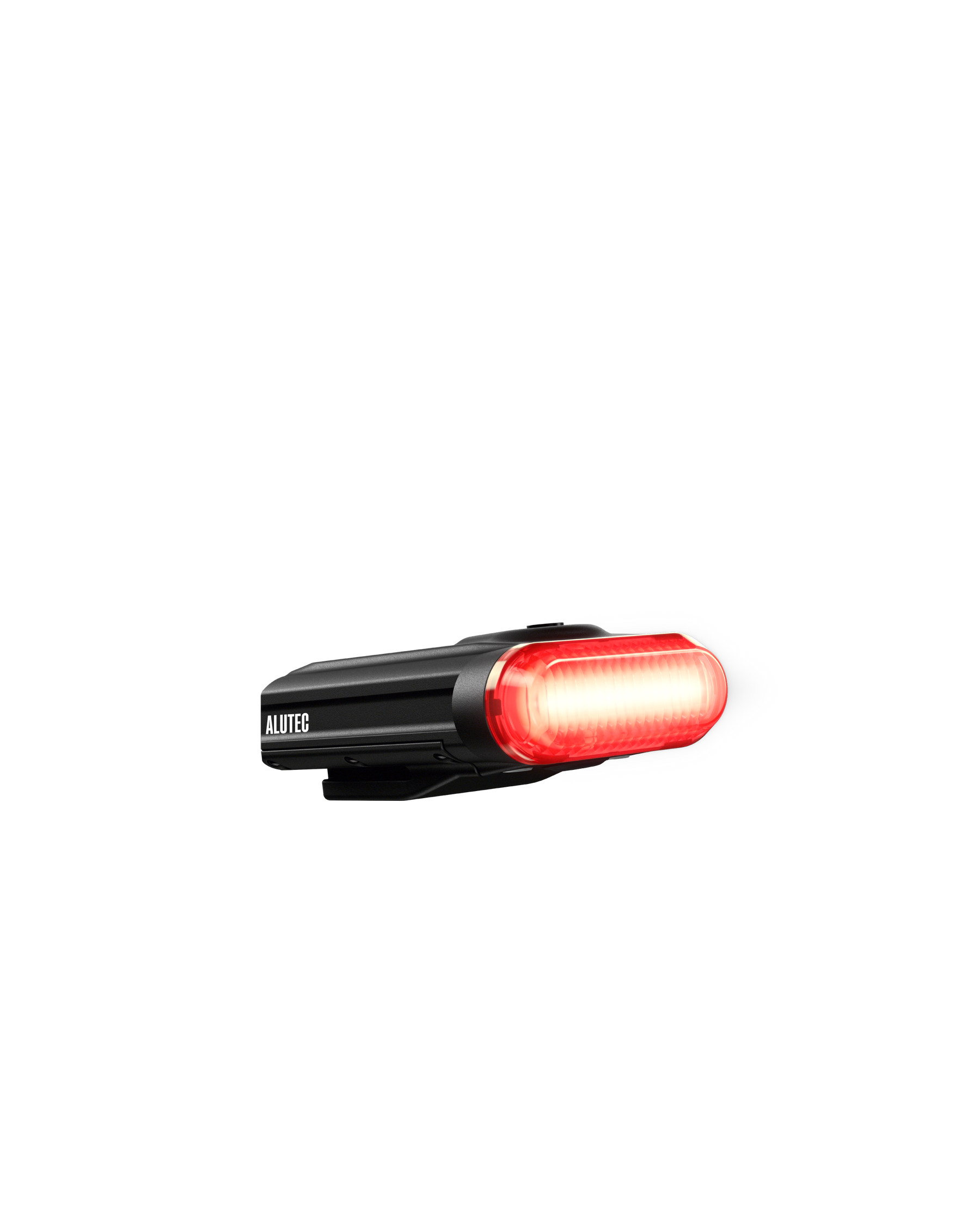
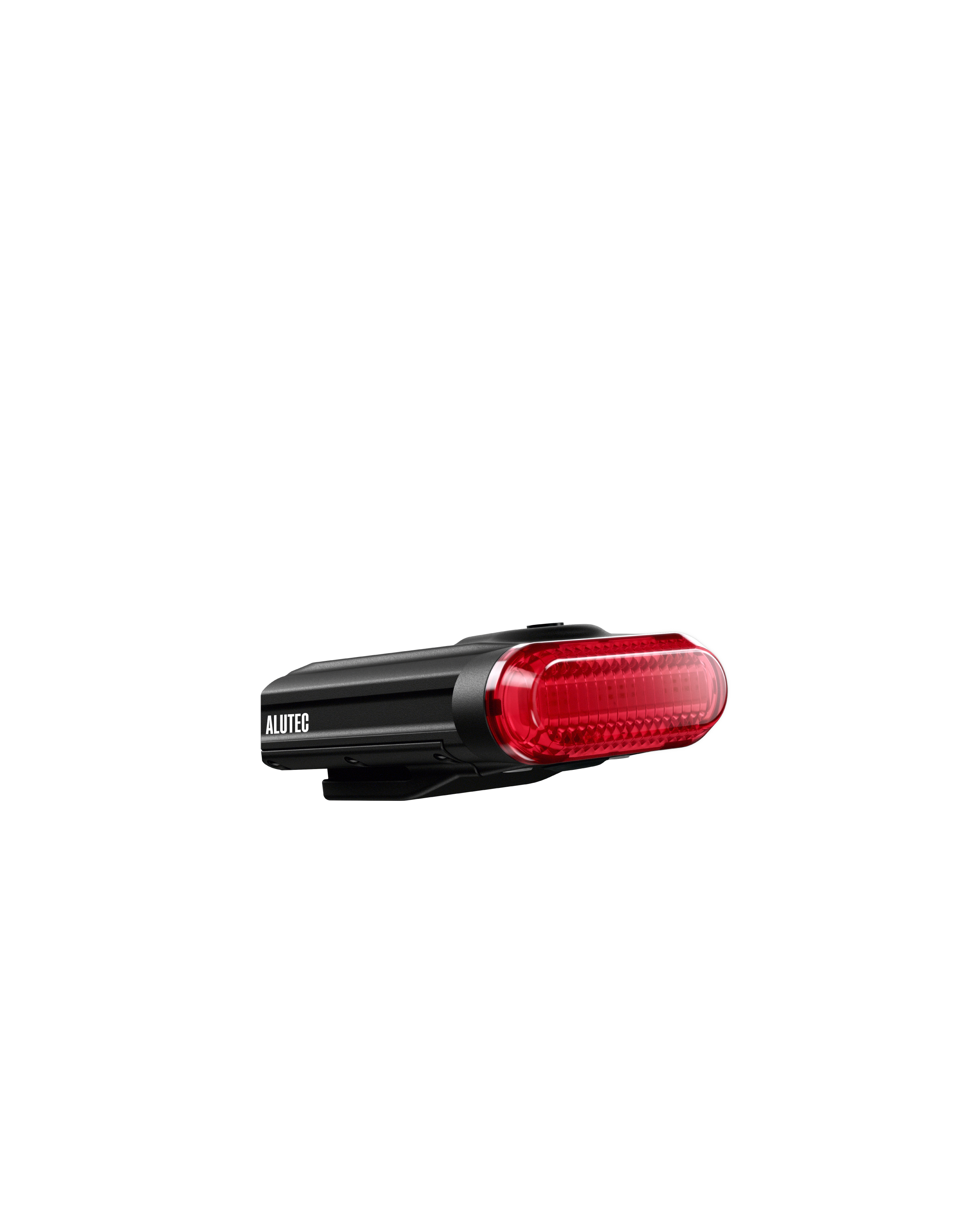
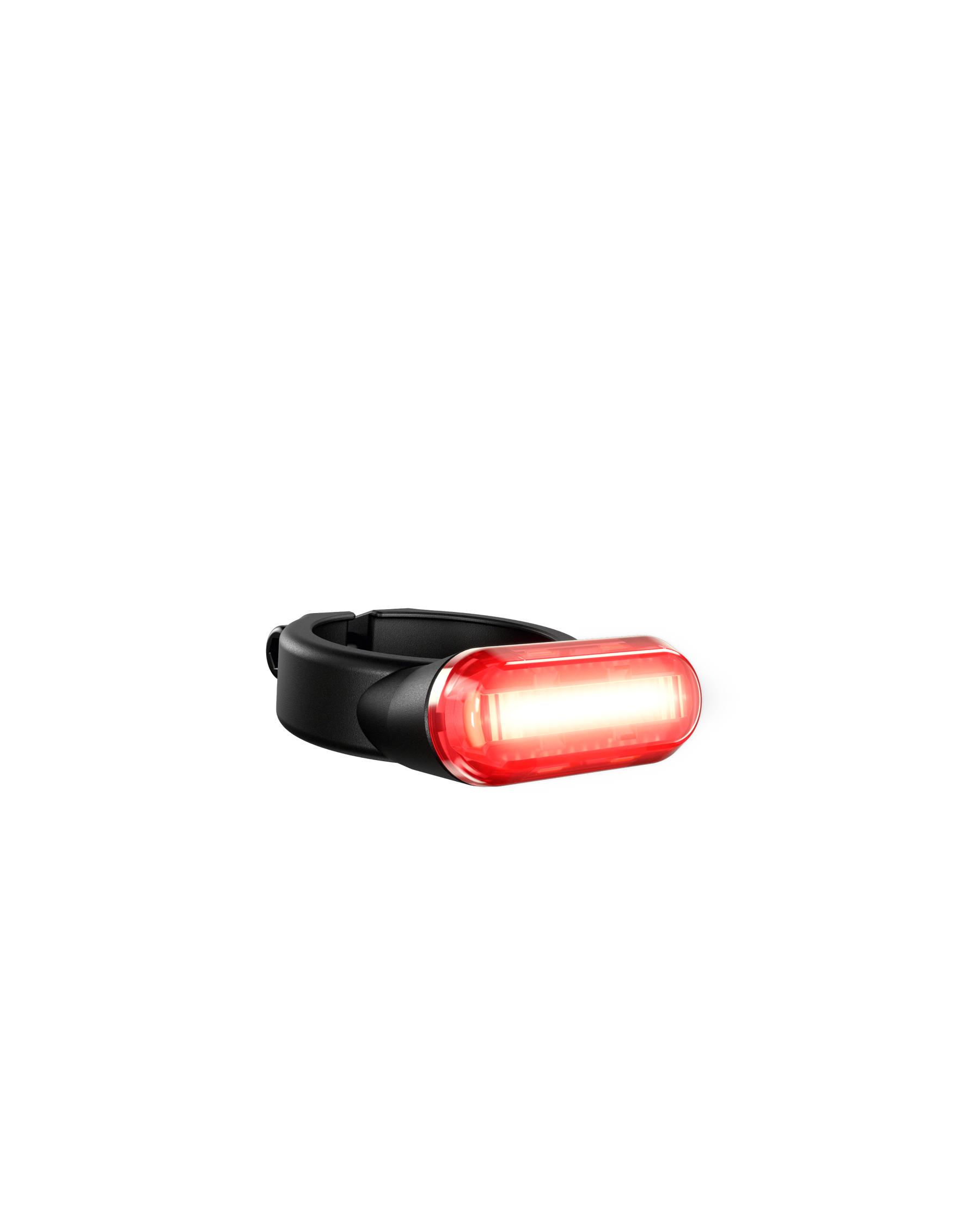
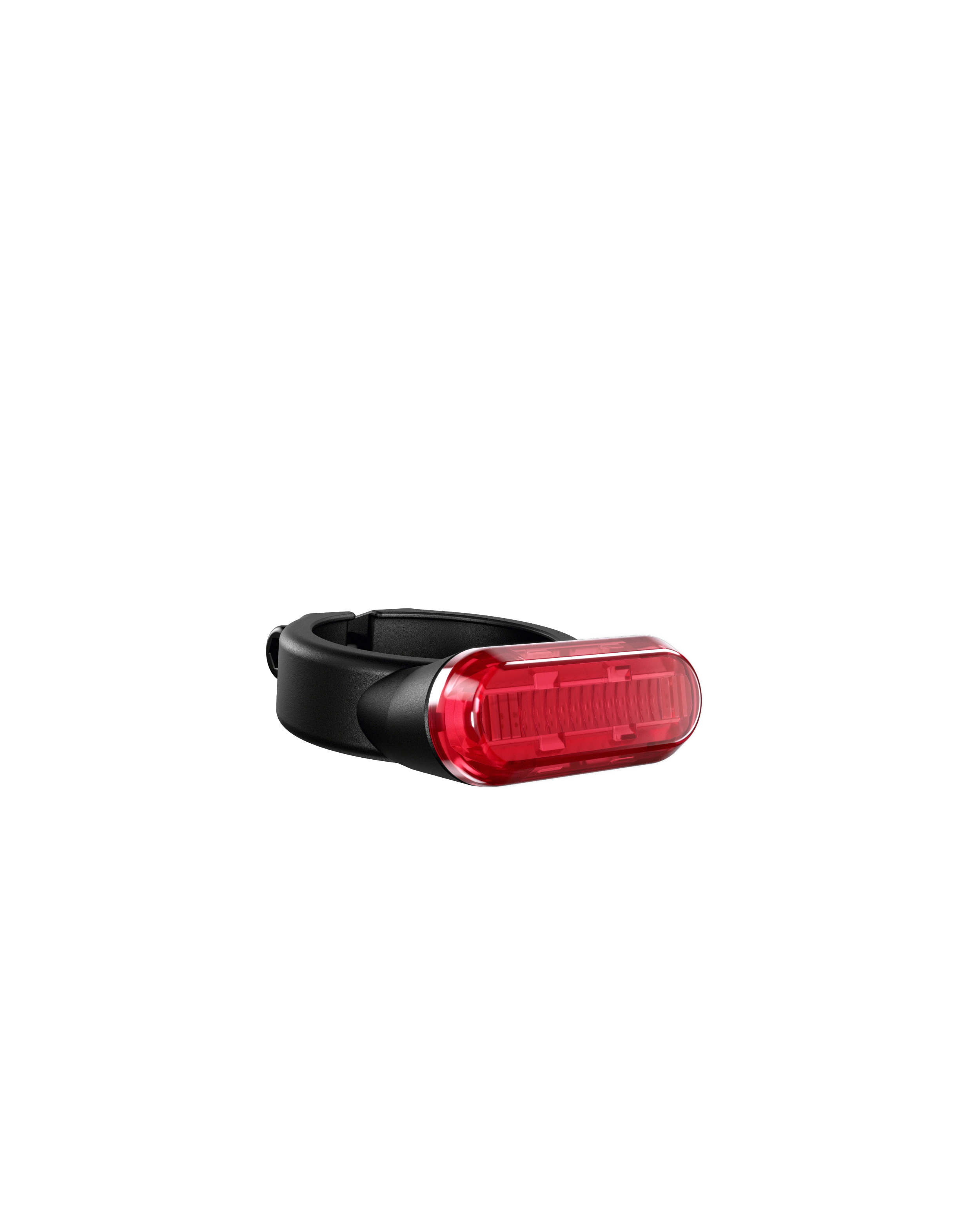
A complete lighting system consists of more than just a front light. Rear lights significantly increase visibility in traffic and ensure that cyclists are seen from behind at an early stage. They contribute significantly to safety, especially at dusk or in poor weather conditions.
The combination of front and rear lights creates a lighting system that ensures both good visibility and maximum visibility.




Modern lighting technology: LEDs, sensors and intelligent control
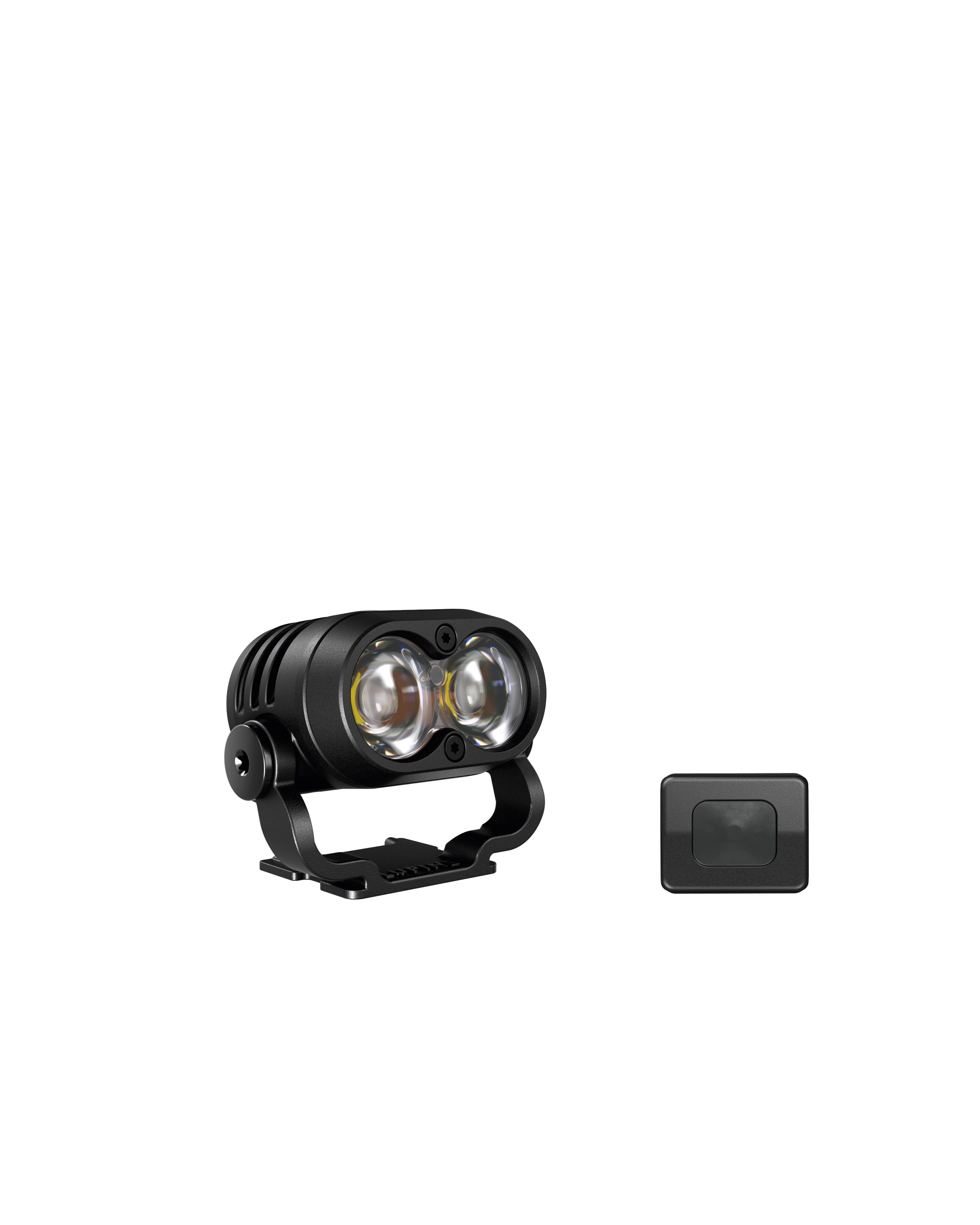
Modern bicycle lighting is based on a combination of high-performance LED technology and intelligent electronics. LEDs have become the standard in bicycle lighting in recent years because they offer very high light output with low energy consumption.
A key advantage of LEDs is their efficiency. They produce significantly more light per watt than previous technologies and also have a very long lifespan. This makes them particularly suitable for compact and powerful lighting systems.
Besides the light source itself, the electronics also play an important role. Modern lamps often have sensors and control systems that can automatically adjust the lighting to different situations. An integrated brightness sensor, for example, can detect how bright the surroundings are and automatically switch between different light modes. This increases visibility in daylight, while activating a brighter low beam in darkness.
Temperature management is also an important component of modern lighting systems. High-performance LEDs generate heat that must be dissipated in a controlled manner. Intelligent electronics can automatically adjust the lamp's power output if the temperature rises too high. This prevents components from overheating and reduces the lamp's lifespan.
In addition, high-quality bicycle lights are particularly robustly constructed. They are protected against water, dust and mechanical stress and therefore function reliably even in difficult weather conditions or with intensive use.



Batteries and runtime: How long a bicycle light really lasts
The runtime of a bicycle light depends primarily on the battery capacity and the power consumption of the light itself. Modern lights mostly use lithium-ion batteries, which offer high energy density and a long lifespan.
A battery's capacity is often specified in ampere-hours or watt-hours. These values indicate how much energy the battery can store. The higher the capacity, the longer a lamp can operate.
However, the actual runtime also depends on how much power the lamp requires. A lamp operating at maximum brightness consumes significantly more energy than one in energy-saving mode. Therefore, many models have different brightness levels that allow you to adjust the brightness and thus the runtime.
External factors can also affect battery life. Particularly low temperatures impact lithium-ion batteries and can temporarily reduce their performance. Nevertheless, modern battery systems are designed to operate reliably even under challenging conditions.
A well-coordinated battery system ensures that a lamp has sufficient energy available for both short trips and long tours.


E-bike lighting: Differences and compatibility
E-bike lighting differs from traditional bicycle lights in several important ways. The biggest difference lies in the power supply.
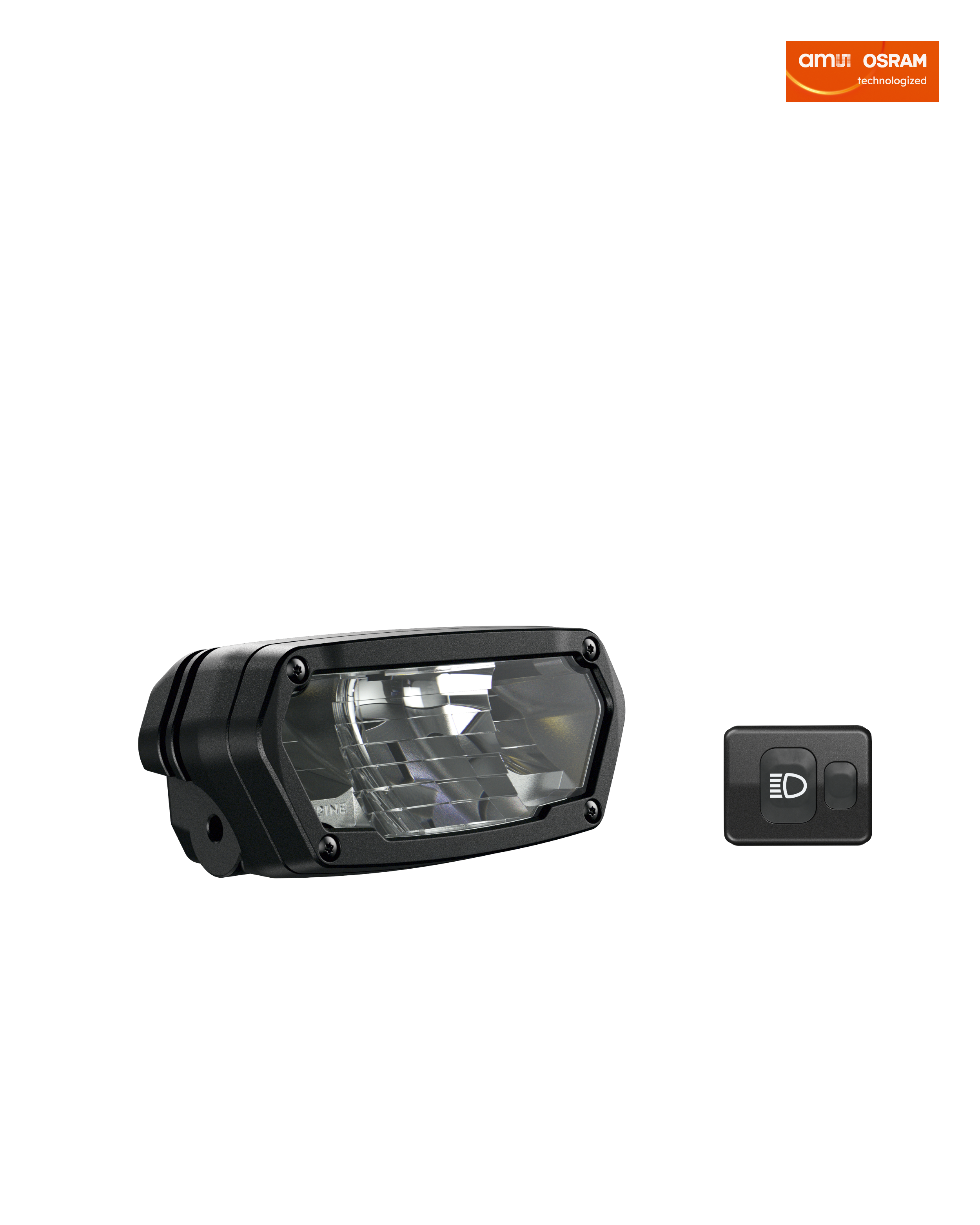
While many bicycle lights have their own battery, e-bike lights usually draw their power directly from the motor or the bicycle's main battery. This eliminates the need for a separate battery for the lights, and the light is automatically controlled by the e-bike system.
Depending on the motor manufacturer, the connections can differ. Systems from manufacturers like Bosch, Shimano, or Yamaha use different connectors and power requirements. Therefore, it is important to check which motor system is installed in your e-bike before installation.
E-bike lights are specifically designed for this type of power supply. Therefore, they generally cannot be operated with an external battery. For bicycles without a motor, however, there are light models available that draw their power from a separate battery.
These different systems ensure that a suitable lighting solution can be found for every bicycle


Accessories for Lupine lighting systems
A major advantage of modern lighting systems is their modularity. Many lamps can be flexibly adapted to different requirements using accessories.
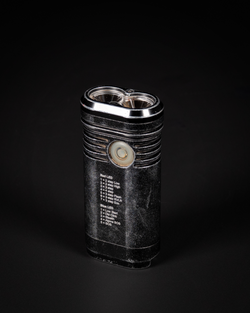
Batteries in different capacities make it possible, for example, to adapt the runtime of a lamp to the specific application. A compact battery is sufficient for short trips, while larger batteries with higher capacity can be used for longer tours.
Various mounting options also provide flexibility. Depending on the model, lights can be attached to the handlebars, helmet, or other positions. This allows for the combination of different lighting concepts, such as a fixed handlebar light together with a movable helmet light.
Additionally, there are accessories such as chargers, extension cables or remote controls that allow the lighting system to be expanded and operated more conveniently.
These modular components make it possible to individually adapt lighting to personal requirements and areas of application.



Care, maintenance and lifespan of your lamp
To ensure a high-quality bicycle light functions reliably for many years, regular maintenance is advisable. The light and its mount should be cleaned, especially after rides in rain, mud, or dust.
The battery should also be stored properly. If a lamp is not going to be used for an extended period, it is recommended to disconnect the battery from the system. This prevents the battery from discharging unnoticed.
Many modern batteries have integrated indicators that allow you to check the current charge level. This feature helps you quickly check the battery level before a trip.
Careful maintenance and proper storage can significantly extend the lifespan of a lighting system.


Conclusion: The right lighting for every situation
Modern bicycle lighting is a combination of high-performance LED technology, intelligent electronics, and long-lasting batteries. Depending on the intended use, different types of lamps are employed, each specifically designed for its respective requirements.
Whether on your daily commute, during night rides off-road, or on outdoor adventures – reliable lighting ensures better visibility and greater safety. High-quality technology and modular systems allow modern lighting solutions to be flexibly adapted to different bicycles and applications.
Well-coordinated lighting is therefore an important part of any bicycle equipment and makes a crucial contribution to being safe on the road, even in the dark.