



Understanding modern bicycle lighting: Technology, batteries and Lupine lighting systems explained
Why high-quality bicycle lighting is crucial
Reliable bike lighting is one of the most important safety factors when cycling. As soon as visibility deteriorates, good lighting determines how early dangers are recognized and how well other road users perceive you.
However, it's not just the presence of light that's crucial, but how it's used. Uneven illumination or insufficient range means that obstacles become visible too late.
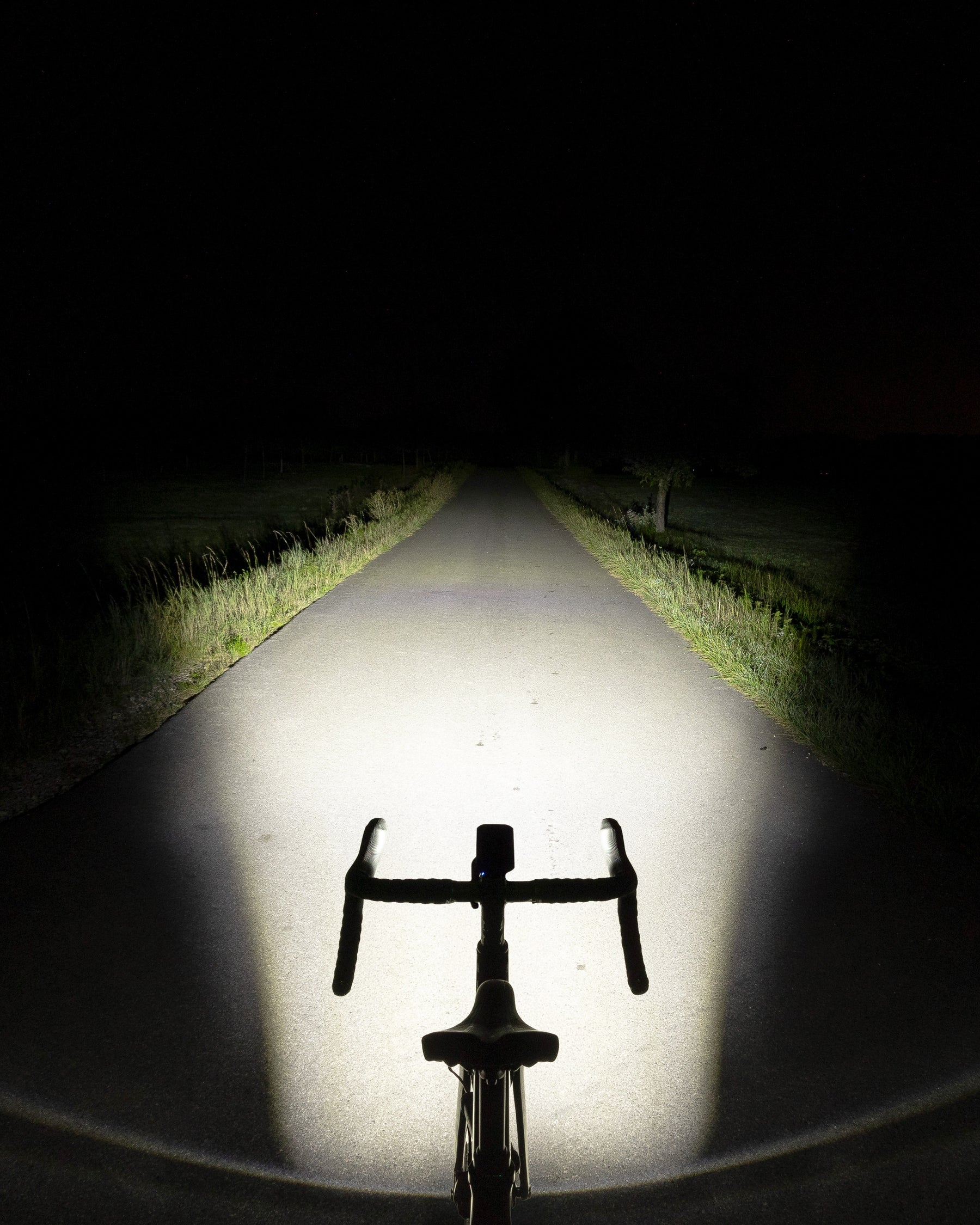
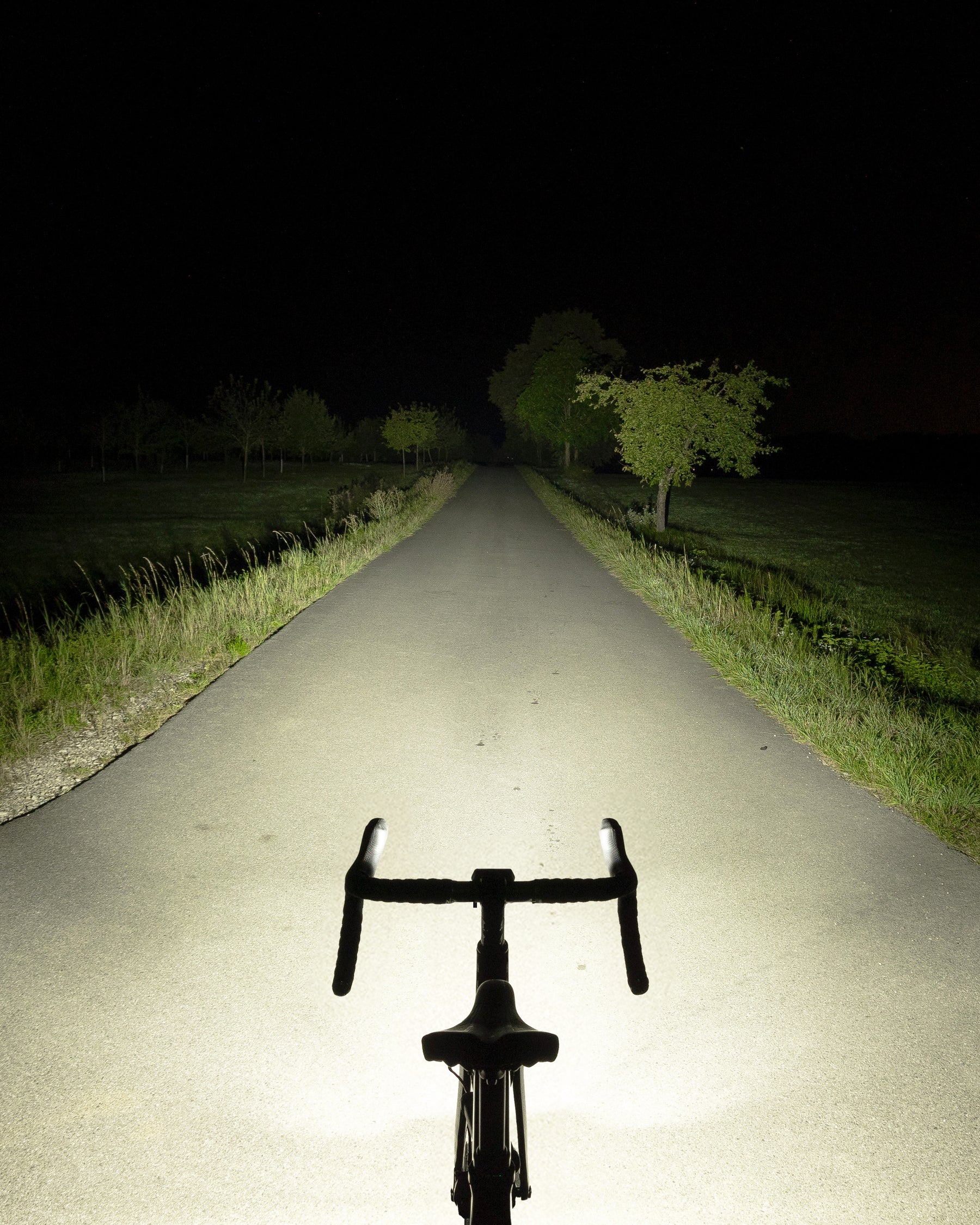
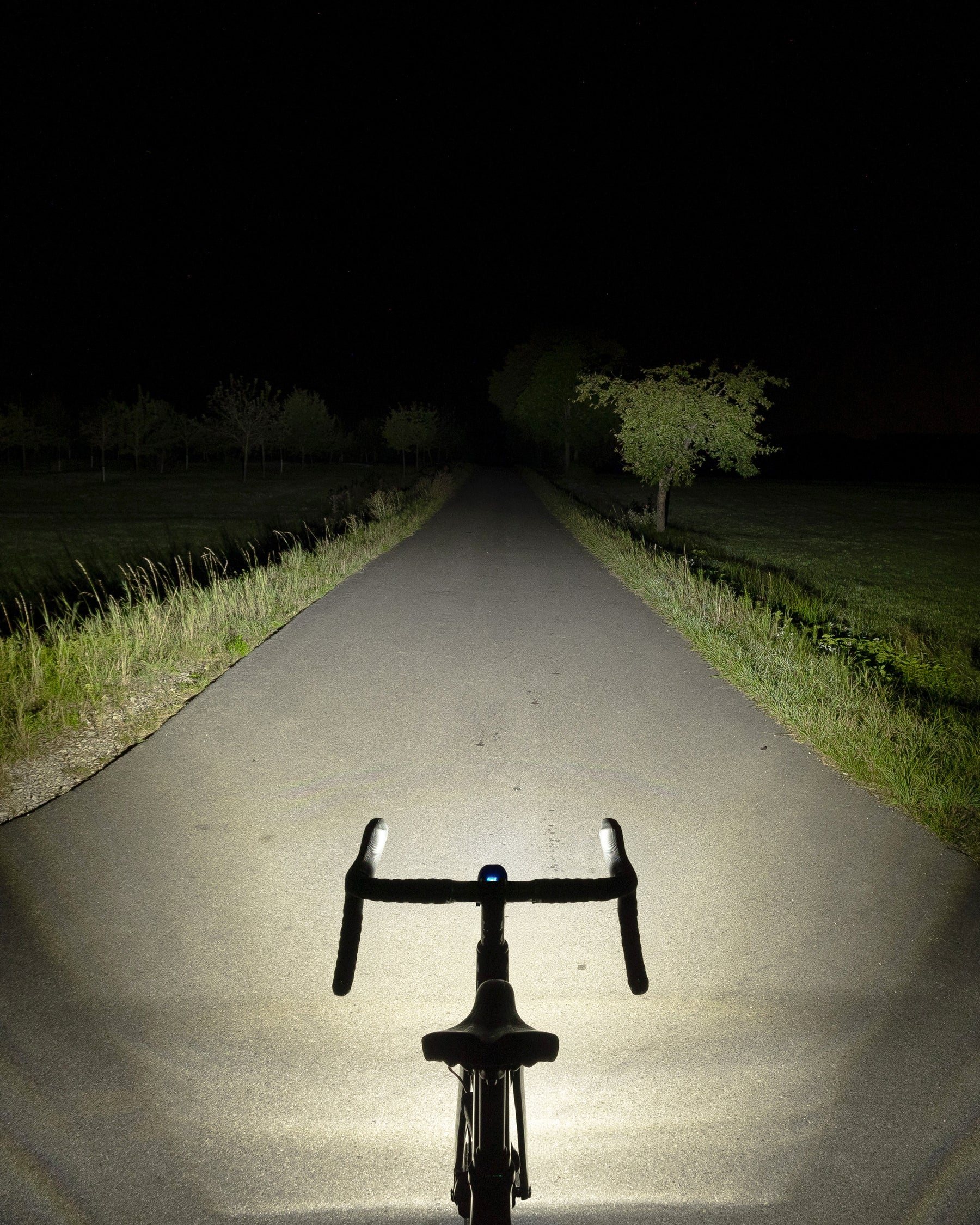
High-quality bicycle lighting, on the other hand, provides a stable, even light pattern. The path is illuminated broadly and clearly, so that bumps, curves, or obstacles can be recognized early. This difference is immediately noticeable, especially on unlit roads, forest paths, or trails.
In addition to illumination, glare-free operation also plays an important role. Precisely developed optics ensure that the light is directed specifically onto the road, without affecting oncoming traffic.








Lupine lamps at a glance: bicycle lamps, headlamps and taillights
Lupine's product range includes various lamp types, each designed for different applications. The key is not the individual lamp, but the interplay within the system.
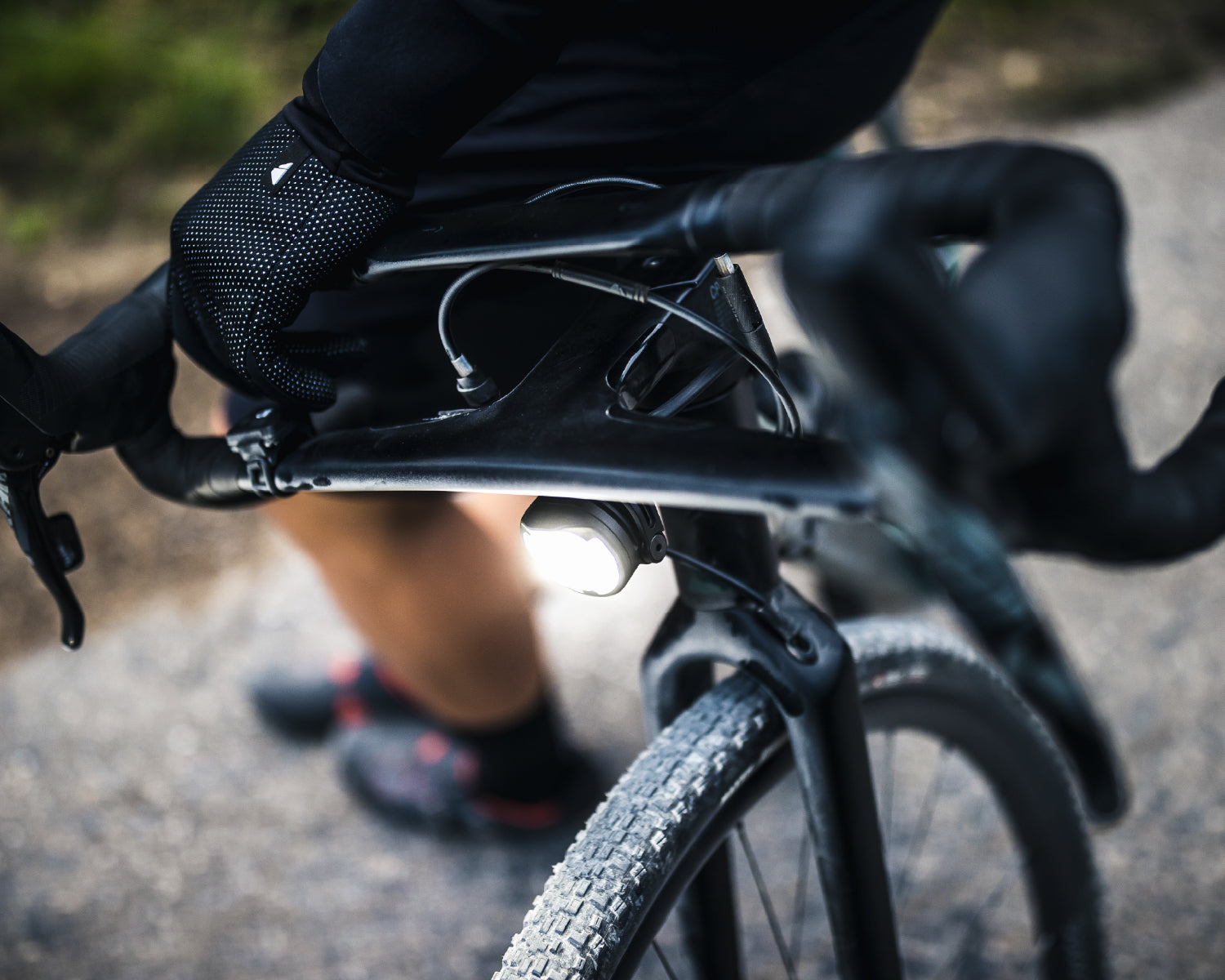
Bicycle lights for the handlebars ensure stable and even illumination of the path ahead. They offer a long range and enable safe navigation even at higher speeds. Especially in everyday use, when commuting, or on longer tours, they form the basis of the lighting system.
Helmet and headlamps complement this system. Their light automatically follows your line of sight, ensuring that even side areas or curves become visible early on. Especially off-road or on technical trails, this creates a much more precise riding experience.
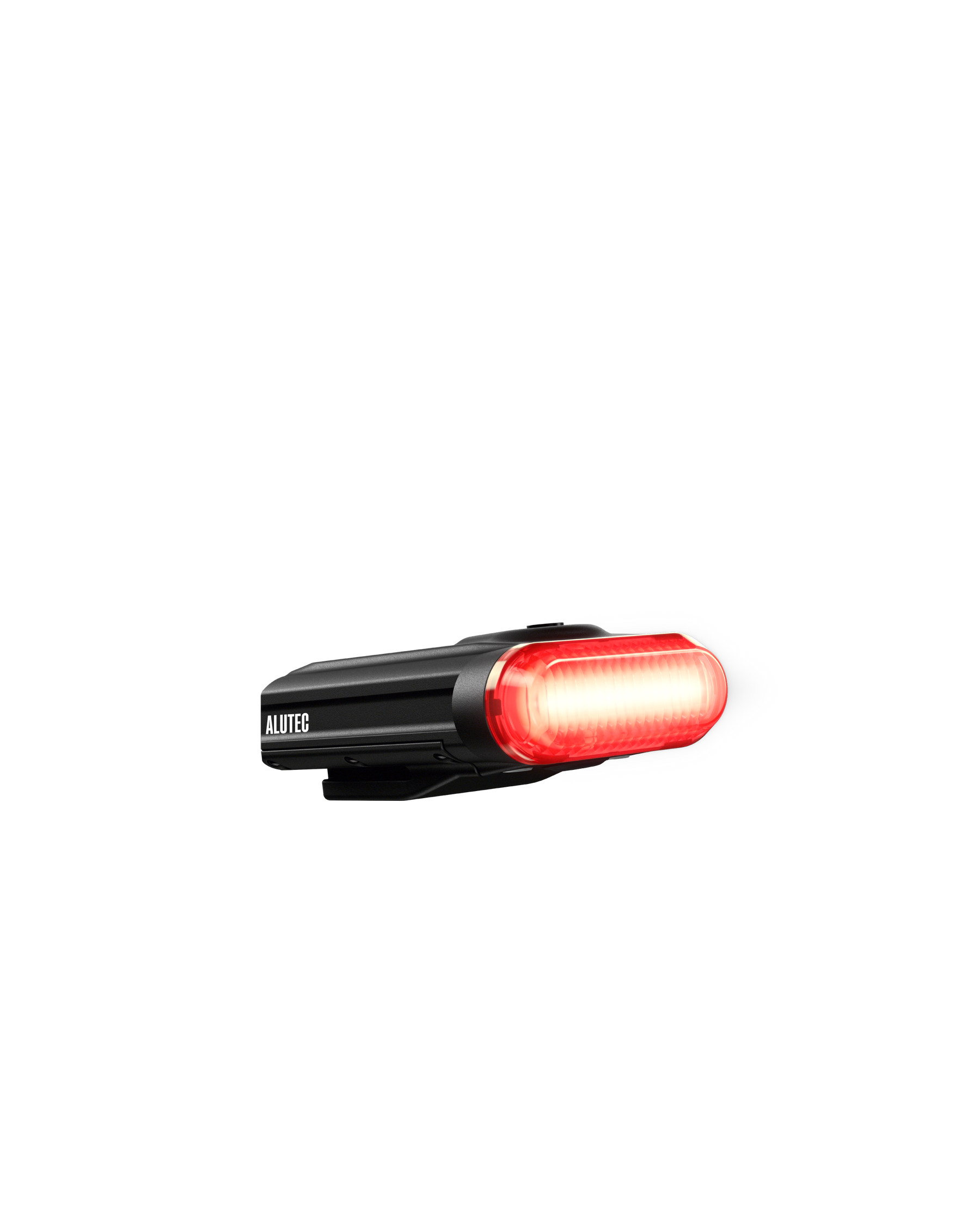
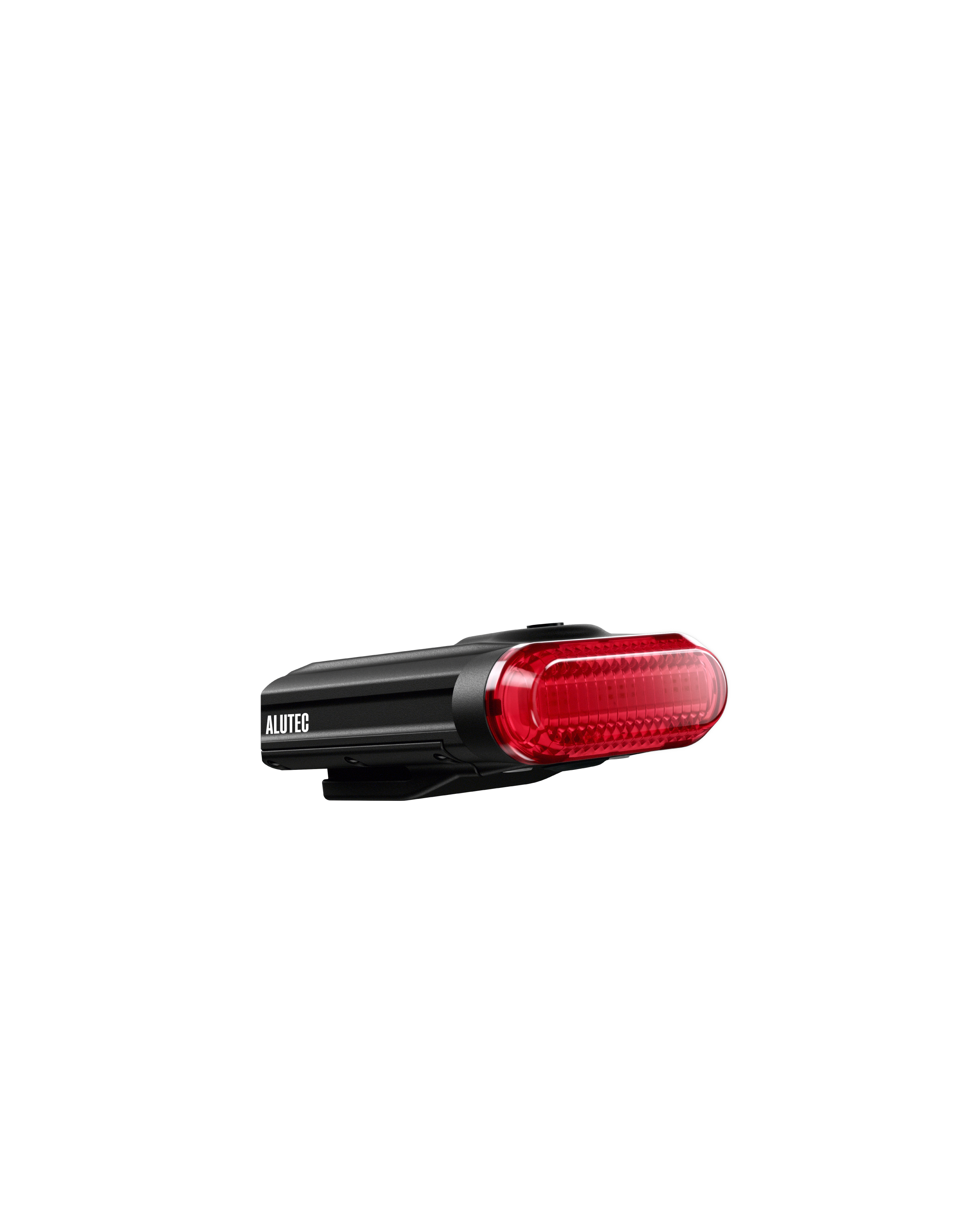
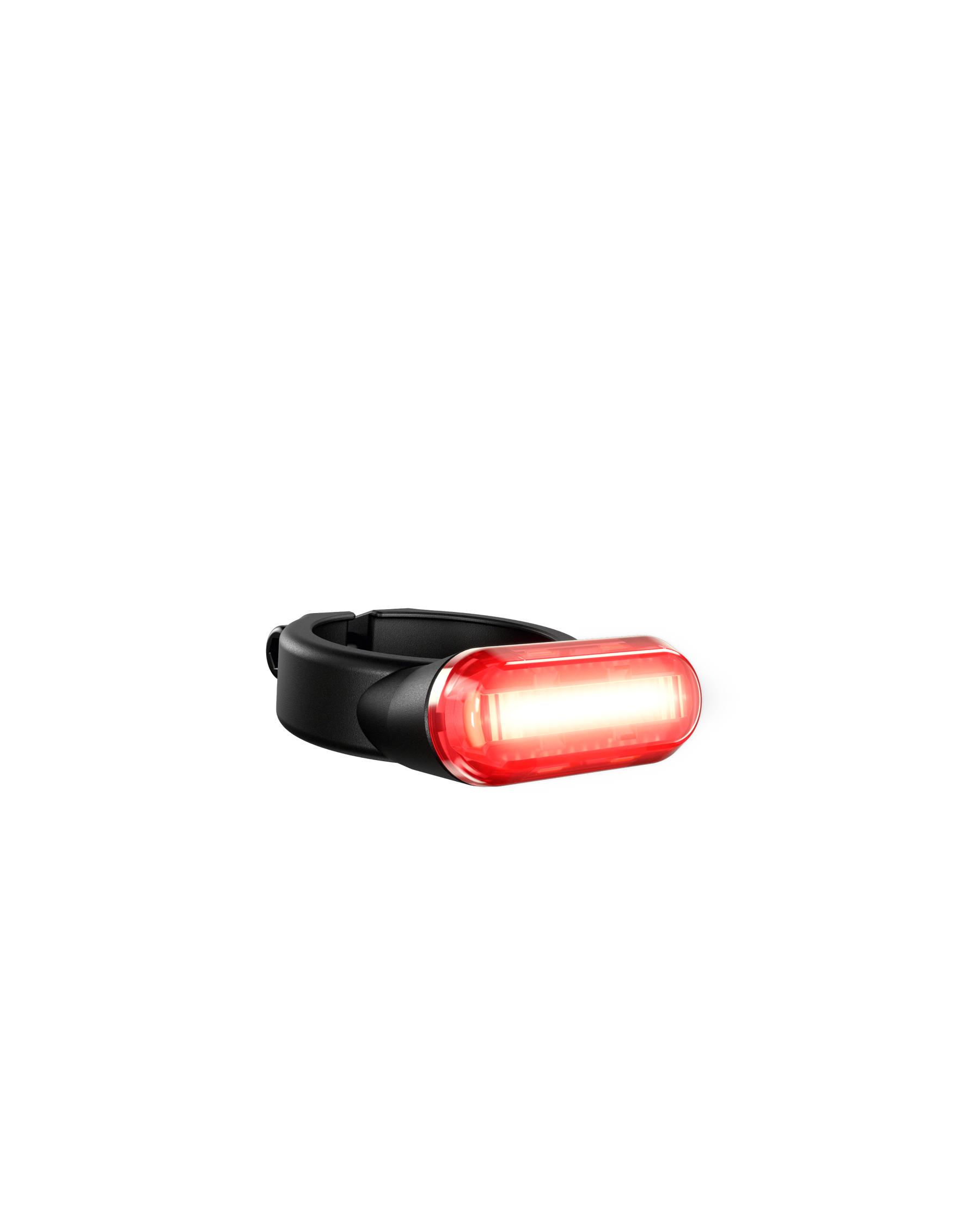
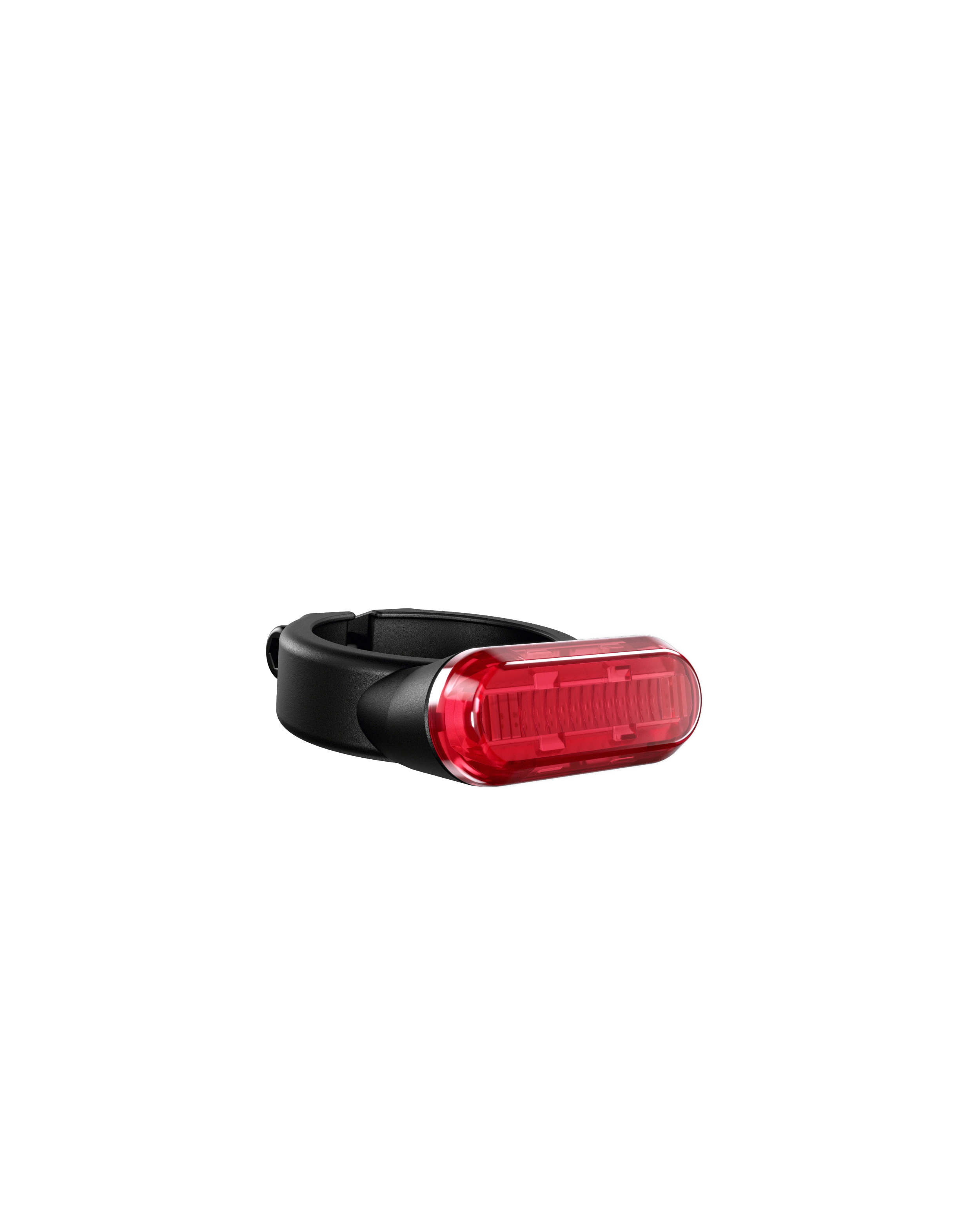
Taillights play an equally important role. They increase visibility in road traffic and ensure that you are recognized even from a greater distance. Only through the combination of front and rear lights does a lighting system emerge that optimally covers both seeing and being seen.





Modern lighting technology: LEDs, sensors and intelligent control
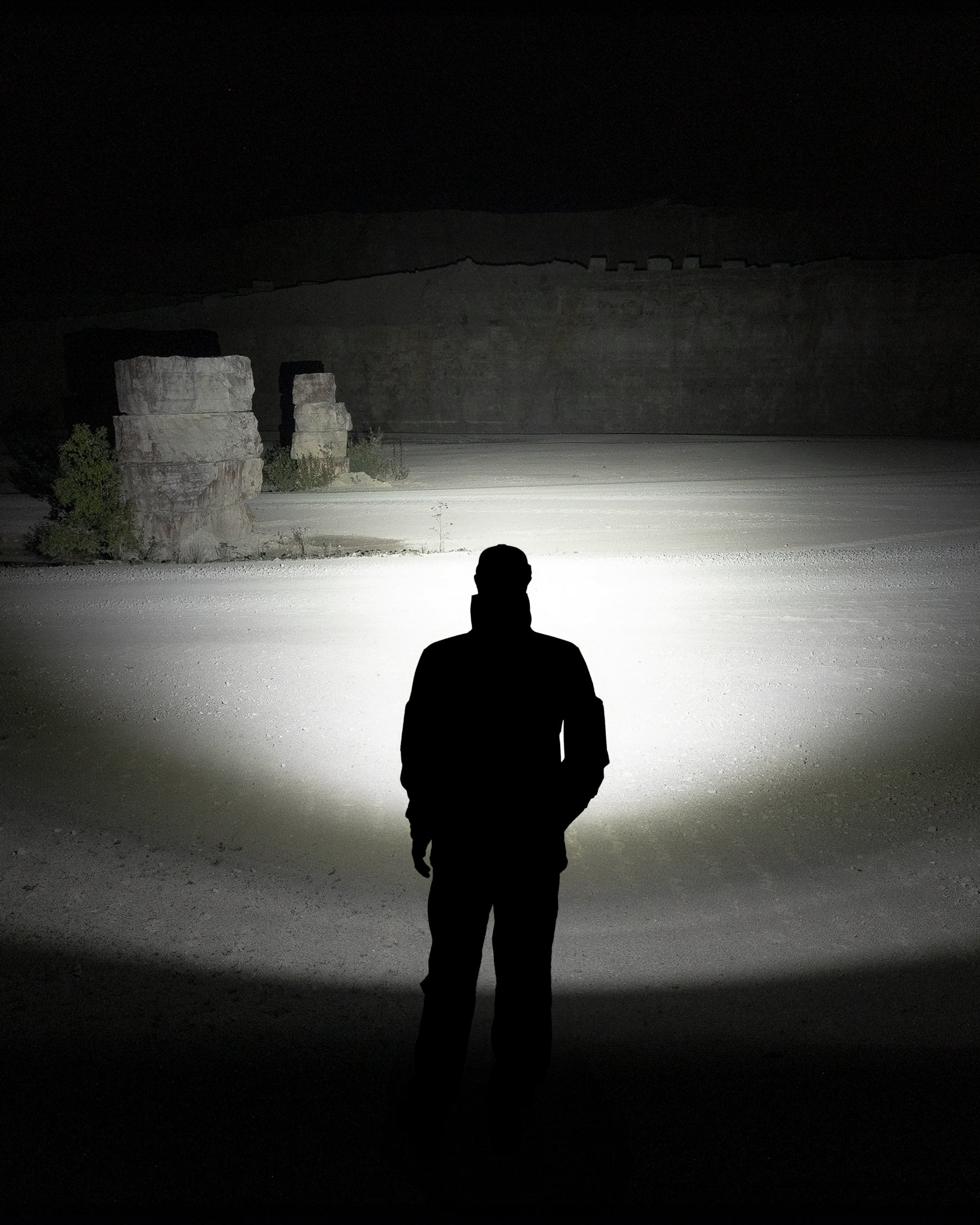
Modern bicycle lighting is now based on powerful LED technology. LEDs enable high light output with efficient energy consumption and form the basis for compact and robust lighting systems.
However, the light source alone does not determine the quality. Only the combination with intelligent electronics makes modern systems truly powerful.
For example, sensors detect ambient brightness and automatically adjust the light output. This increases visibility in daylight, while stronger illumination is activated in darkness.
Temperature management also plays a central role. Powerful LEDs generate heat that must be dissipated in a controlled manner. Intelligent control systems automatically regulate the lamp's output to prevent overheating and ensure the longevity of the components.
The result is a lighting system that independently adapts to different conditions and operates reliably over time.




Batteries and runtime: How long a bicycle light really lasts
The runtime of a bicycle light largely depends on the combination of battery capacity and power consumption. Modern systems typically rely on lithium-ion batteries, which offer high energy density and a long lifespan.
The greater the capacity of a battery, the more energy is available. At the same time, the selected light level significantly influences energy consumption. High light output ensures maximum visibility but reduces runtime compared to lower settings.
Therefore, high-quality lights feature various lighting modes that allow for flexible power adjustment. This way, one can choose between maximum illumination and longer runtime depending on the situation.
External factors such as temperature also affect battery performance. Especially in cold weather, the available capacity can temporarily decrease. However, modern battery systems are designed to function reliably even under demanding conditions.


E-Bike Lighting: Differences and Compatibility
For e-bikes, the lighting differs primarily in the type of power supply. Many systems draw their power directly from the bike's battery and are controlled via the motor system.
This eliminates the need for a separate battery for the lighting, and the light is automatically activated with the e-bike. At the same time, technical differences arise because various motor manufacturers use different interfaces and requirements.
Therefore, it is important to consider the compatibility between the light and the motor system. Solutions for Bosch, Shimano, or Yamaha differ in their connection and performance.
For bikes without a motor, on the other hand, classic battery-powered lights are used, which function independently of the bike and can be used flexibly.


Accessories for Lupine lighting systems
A major advantage of modern lighting systems lies in their modularity. Lamps can be adapted and expanded to different requirements with suitable accessories.
Batteries of various sizes allow the runtime to be determined individually. A compact battery is sufficient for short rides, while larger capacities are available for longer tours.
Different mounts also offer flexibility during installation. Lamps can be attached to the handlebars, helmet, or other positions. This allows various light sources to be combined and optimally matched to the application.
The system is complemented by accessories such as chargers, cables, or remote controls, which simplify operation and expand the range of applications.



Care, maintenance and lifespan of your lamp
For a high-quality bicycle light to function reliably in the long term, proper care plays an important role. After rides in rain, mud, or dust, the light and its mounts should be cleaned to prevent wear and tear.
How the battery is handled also influences its lifespan. If the light is not used for an extended period, it is advisable to disconnect the battery from the system. This prevents it from discharging unnoticed.
Many modern systems have integrated charge indicators that make the current status visible. This allows for a quick check before each ride to ensure there is sufficient energy available.
Through regular care and conscious handling of the components, the lifespan of a lighting system can be significantly extended.


Conclusion: Understanding and Strategically Using the Right Bicycle Lighting
Modern bicycle lighting is a combination of powerful LED technology, intelligent control, and sophisticated battery technology. Only the interplay of these factors determines how well a system performs in practice.
Depending on the area of application, the requirements differ significantly. While reliability and ease of use are paramount in everyday life, maximum performance and precise illumination are key in sports applications.
Understanding the technical basics allows you to select the appropriate lighting specifically and use it optimally. Thus, light not only becomes a safety factor but also a crucial component of every ride.