


Why the right bike light makes all the difference
What really makes a good bike light
The lumen count is often cited as a key selling point. In practice, however, it is only part of the overall picture. What matters is how the light is used and how well the system works together.
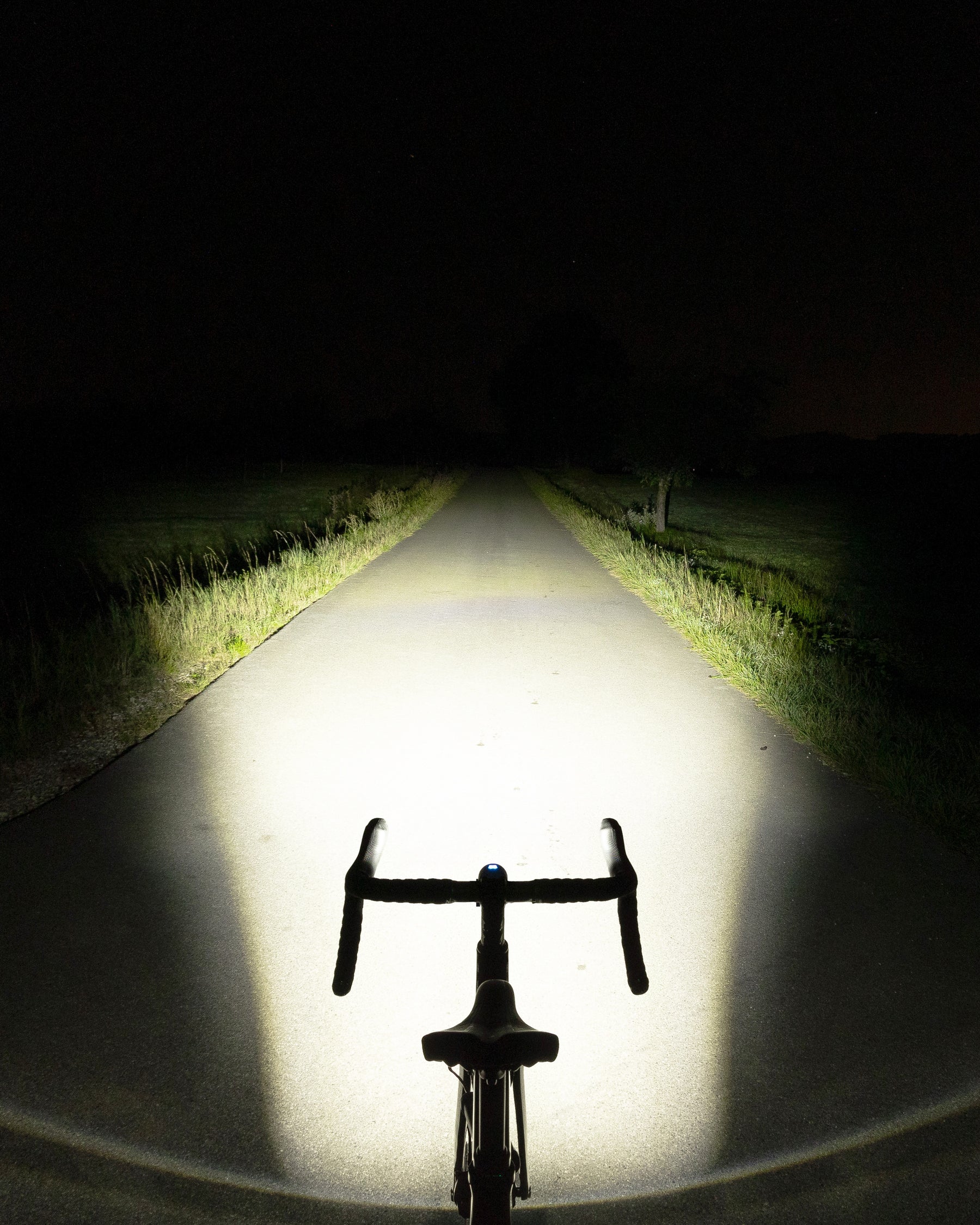
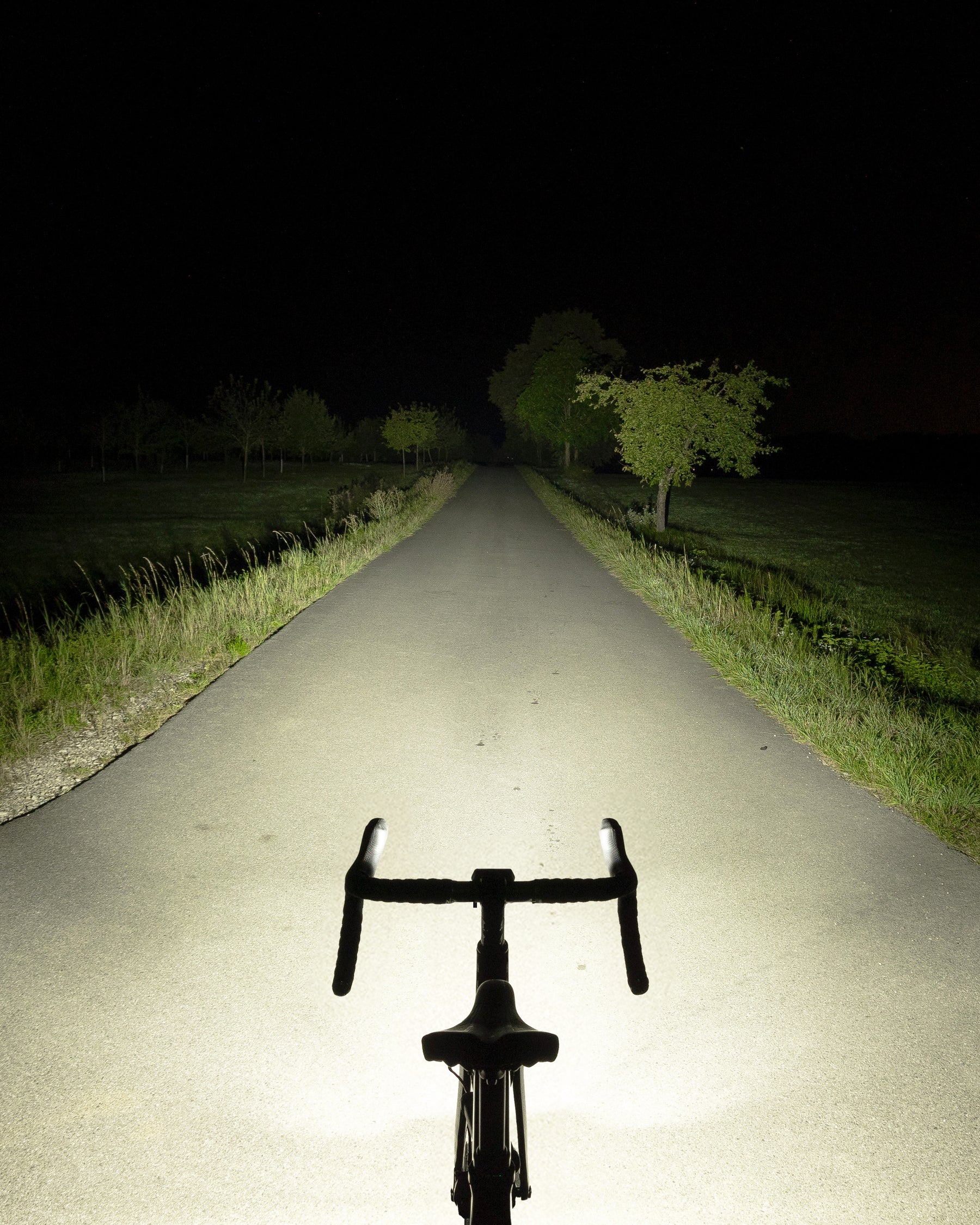
A good bicycle light is characterized above all by a balanced light pattern. Instead of pinpoint brightness, even illumination ensures that the entire riding area is clearly visible. Obstacles, bumps, and movements become visible early on, without individual areas being overexposed or others remaining too dark.
Equally important is the range. Those who ride fast or on unlit roads need a light that illuminates far ahead and provides enough reaction time. In city traffic, however, wide close-range illumination is crucial to keep an eye on side areas as well.
Another key factor is legal approval. In road traffic, StVZO-compliant lighting is mandatory. This ensures, through a defined light distribution and a clear light-dark boundary, that other road users are not dazzled and that you yourself are optimally seen.
In addition to light quality, workmanship also plays a major role. High-quality bicycle lights are designed to withstand rain, cold, and mechanical stress without problems. Precisely manufactured aluminum housings offer clear advantages here, as they are stable and at the same time efficiently dissipate the heat generated.
The power supply should not be underestimated either. A realistic run time is crucial, especially for longer rides. Systems with replaceable batteries offer additional flexibility and ensure that sufficient energy is available even on longer tours.
Last but not least, the mounting influences daily use. A well-thought-out mounting system ensures that the light sits securely, can be quickly installed, and can be flexibly adapted to different bicycles or areas of application.





Types of Bicycle Lights
Depending on the area of application, different lighting systems are used, each offering its own advantages.
Battery-powered headlights compliant with German road traffic regulations (StVZO) are the first choice for road traffic. They offer glare-free illumination with a clearly defined light-dark boundary and are specially adapted to the requirements of an urban environment. Modern models achieve long ranges and can even be controlled wirelessly in some cases.
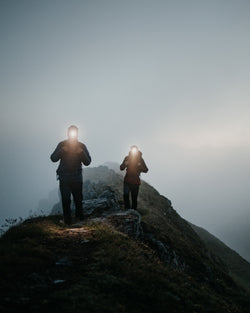
Helmet lights significantly expand the possibilities. Since the light follows the direction of vision directly, precise illumination is created in curves or in confusing situations. This advantage is particularly evident off-road or when riding at night.
Headlamps offer similar functionality and are primarily used in outdoor areas. Models with sensor control automatically adjust the brightness to the surroundings, ensuring efficient energy use.
For e-bikes, integration plays a special role. Here, the lighting is often powered directly by the bicycle battery and must be compatible with the respective motor system. This results in compact and powerful solutions for daily use.





Why High-Quality Bike Lights are Worth It
The difference between simple and high-quality bicycle lighting becomes particularly clear in practice. Better illumination means more visibility and thus more time to react. This can be crucial, especially at higher speeds.
Then there's durability. High-quality systems are designed to function reliably for many years. Robust materials and well-thought-out constructions ensure that the lights maintain their performance even under demanding conditions.
Another aspect is reparability. Instead of replacing entire products, individual components of high-quality systems can be serviced or replaced. This extends the lifespan and reduces resource consumption.
There is also a clear advantage from a sustainability perspective. A durable product replaces many short-term solutions and ensures less effort and lower costs in the long run.




What to look for when buying
Choosing the right bicycle light largely depends on your specific use case. If you primarily ride in road traffic, you should opt for StVZO-compliant lighting. Off-road, however, performance and range are paramount.
The length of your planned rides also plays a role. For short distances, a compact battery is often sufficient, while for longer tours, flexible systems with interchangeable batteries are more practical.
Temperatures and external conditions should also be considered. Especially in cold weather, the quality of a battery system becomes apparent, as simple solutions quickly lose power here.
Last but not least, it's worth looking at the system's flexibility. Solutions that can be quickly switched between handlebars, helmet, or headlamp offer significant advantages in everyday life and sports.


Conclusion: The best bike light is the one you trust
In the end, it's not just about the highest number on the data sheet, but the feeling of being able to rely on your own light. A good bike light ensures that you see your surroundings clearly and move safely – regardless of the conditions.
The combination of light pattern, workmanship, and reliable technology makes the difference between a simple lamp and a system that works in every situation.
This is exactly what high-quality solutions are designed for. They create trust – and make darkness predictable.