


StVZO-Compliant Bicycle Lighting: Requirements, Technology, and What Really Matters
What is the StVZO?
The German Road Traffic Licensing Regulations, or StVZO for short, regulate the technical requirements for vehicles in German road traffic. For bicycles, Paragraph 67, which defines lighting, is particularly relevant.
For a long time, only dynamo-powered systems were permitted. Since 2013, however, battery-powered and rechargeable bicycle lights may also be used – provided they meet the technical requirements and bear a valid test mark.
This so-called K-number indicates that the lighting system has been tested and complies with legal requirements.







What are the requirements for bicycle lighting?
The regulations of the StVZO (German Road Traffic Licensing Regulations) clearly define how a bicycle must be lit in road traffic.
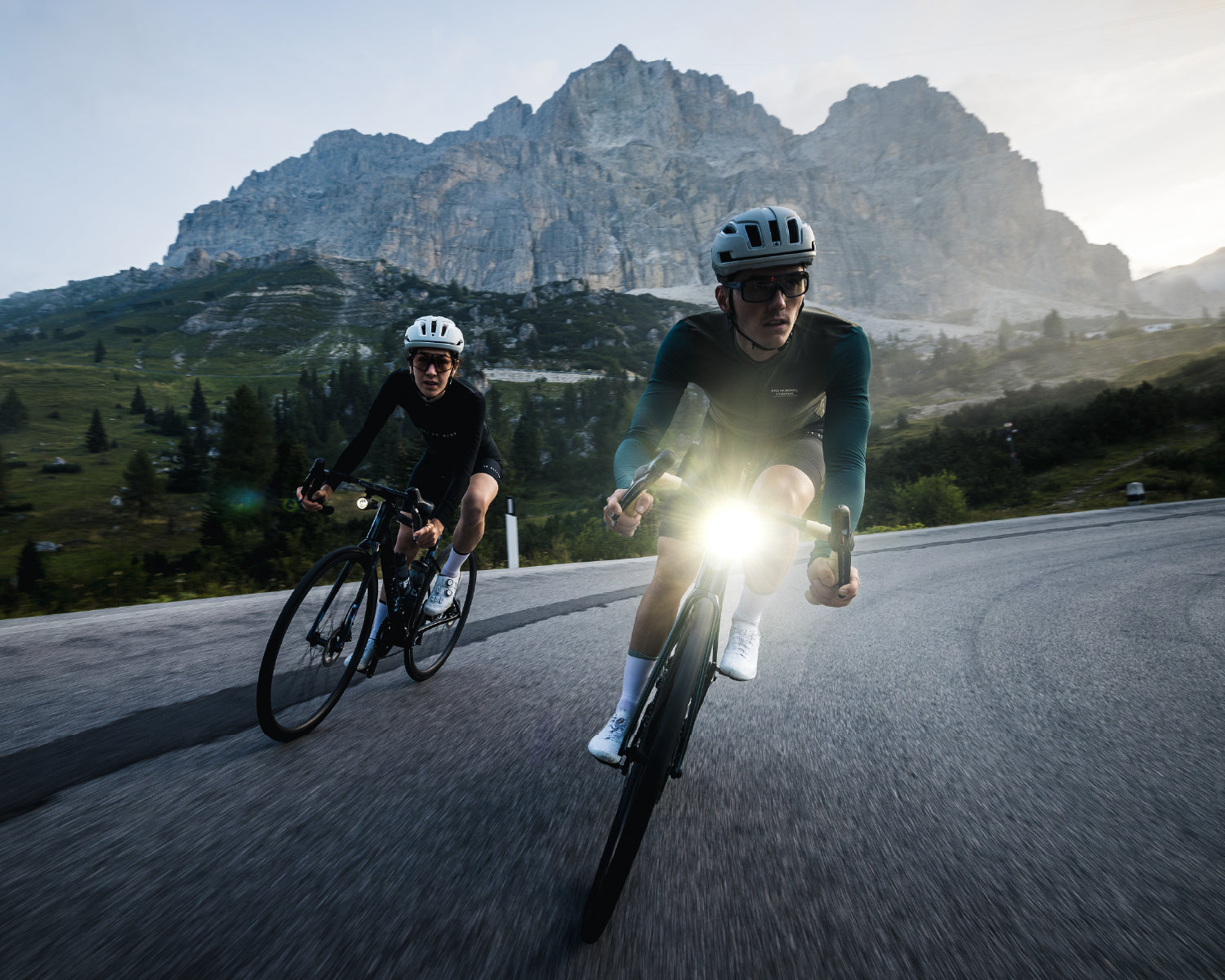
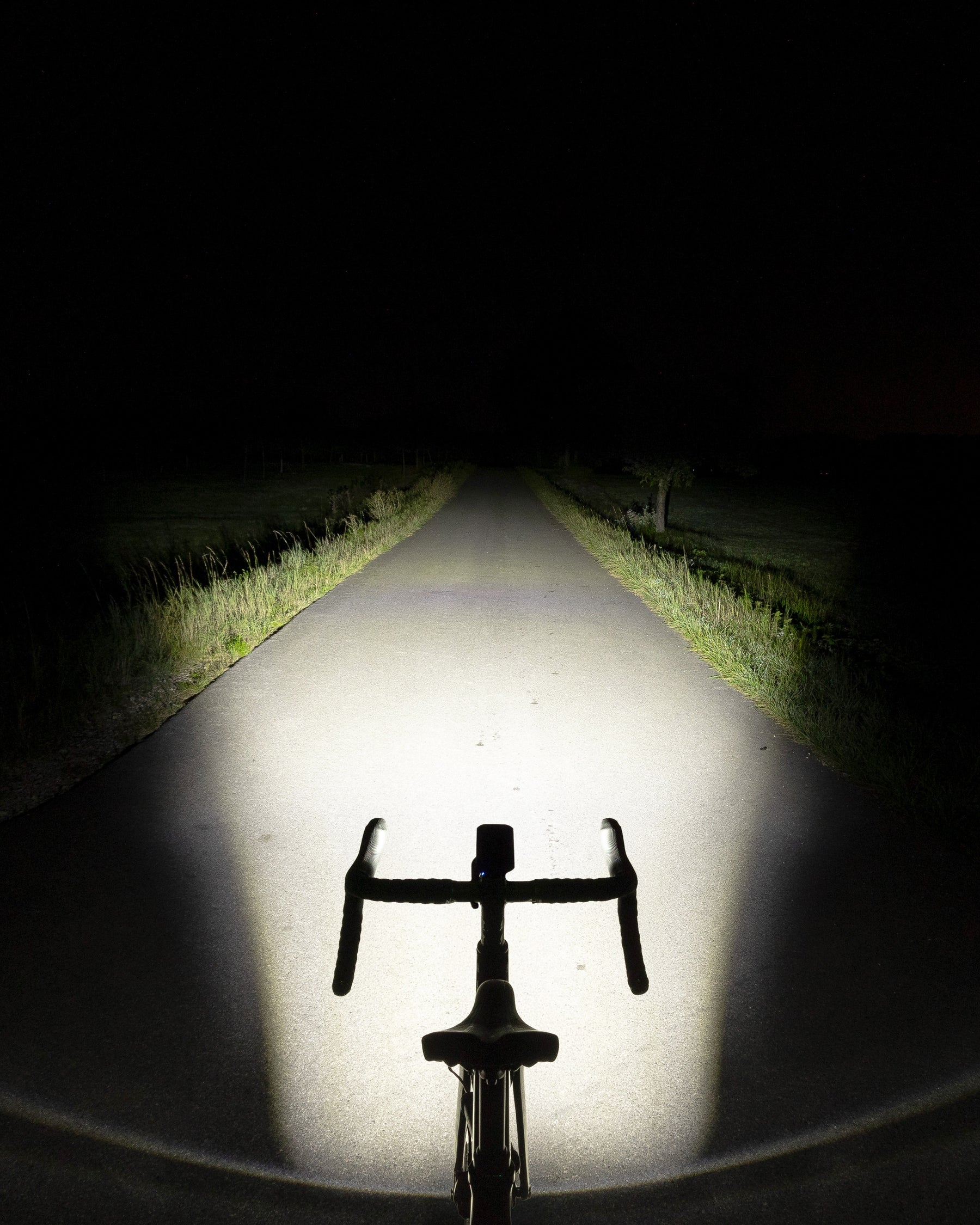
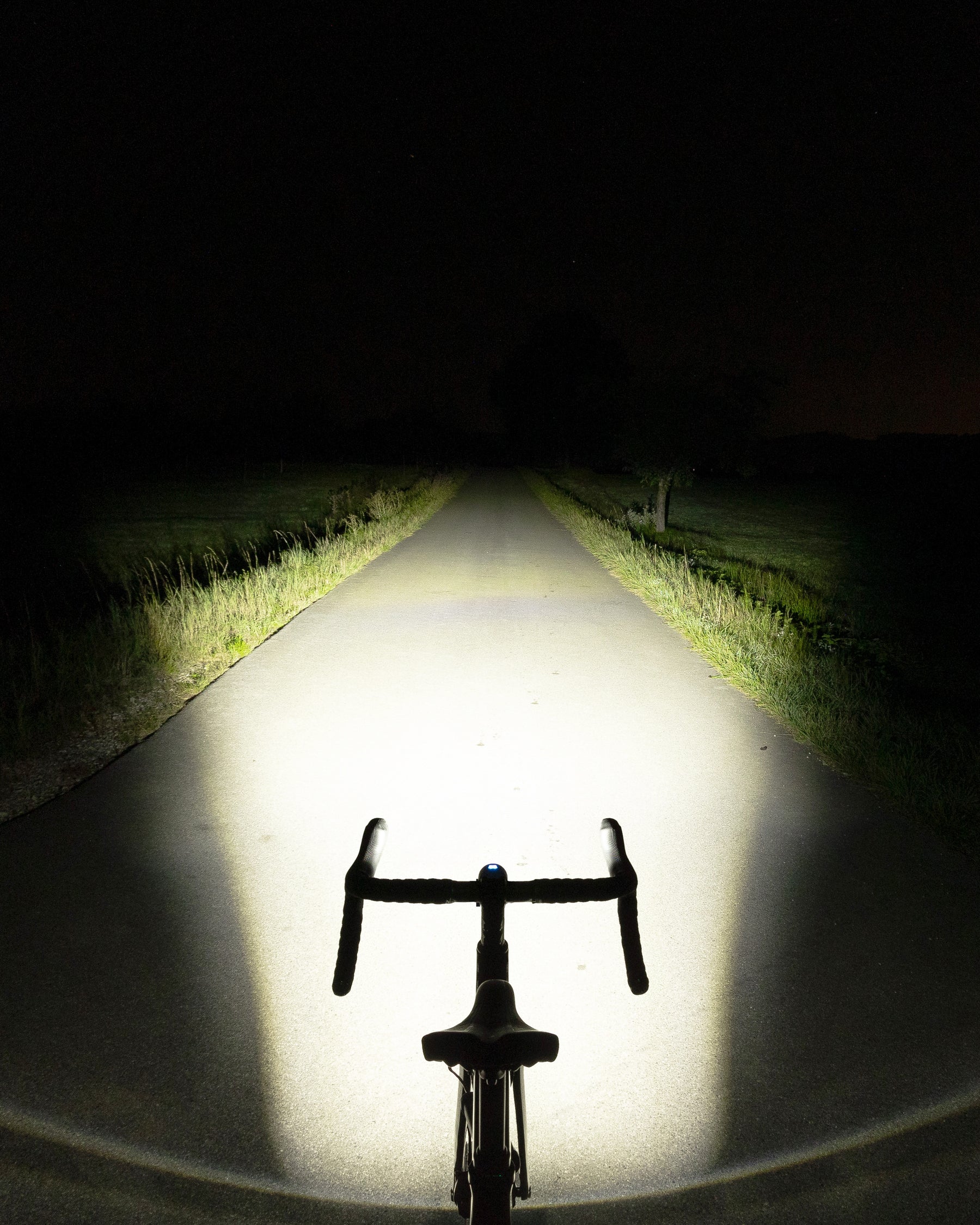
The front headlight must emit white light and achieve a defined minimum brightness. At the same time, a precise light-dark boundary is mandatory to avoid dazzling other road users.
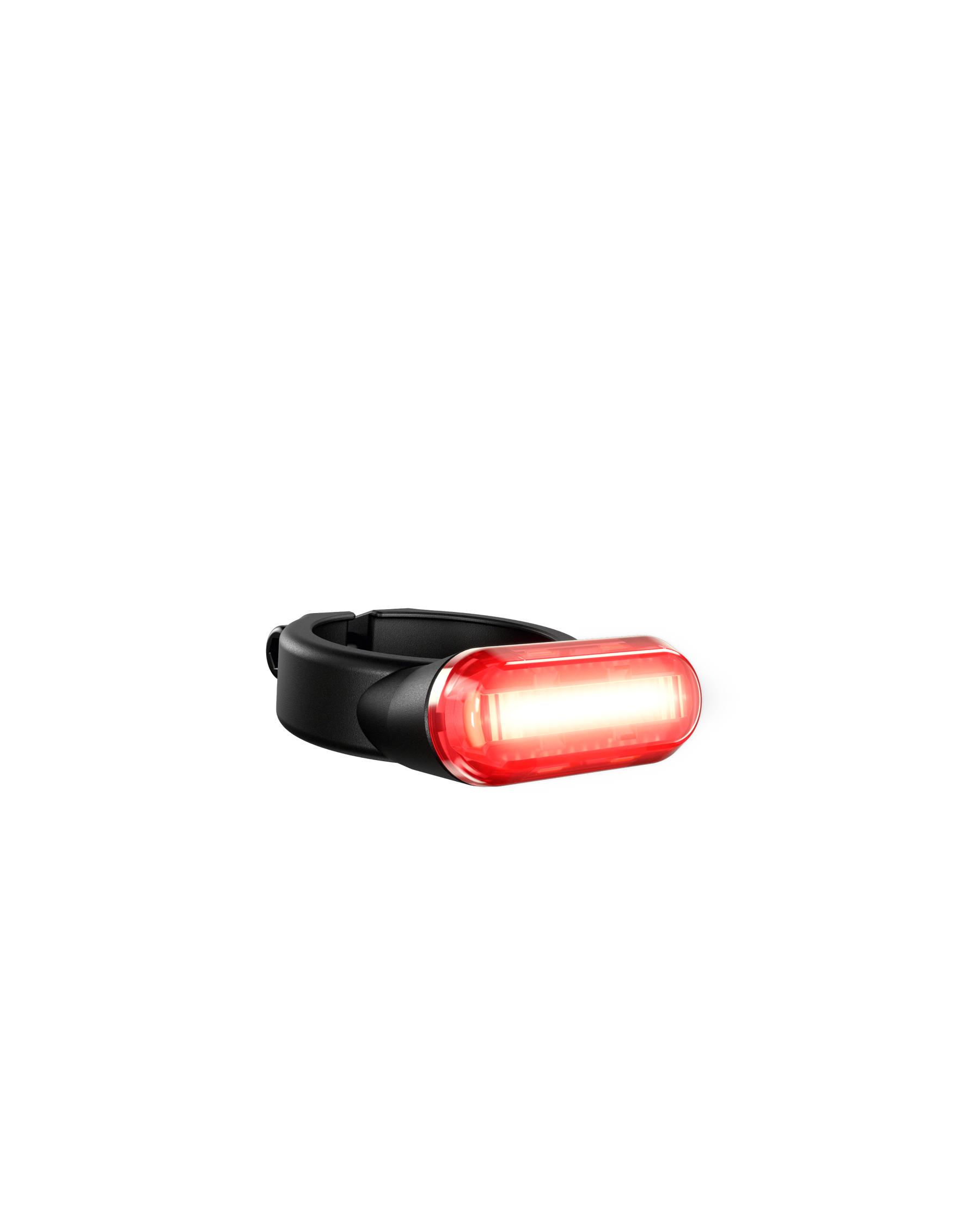
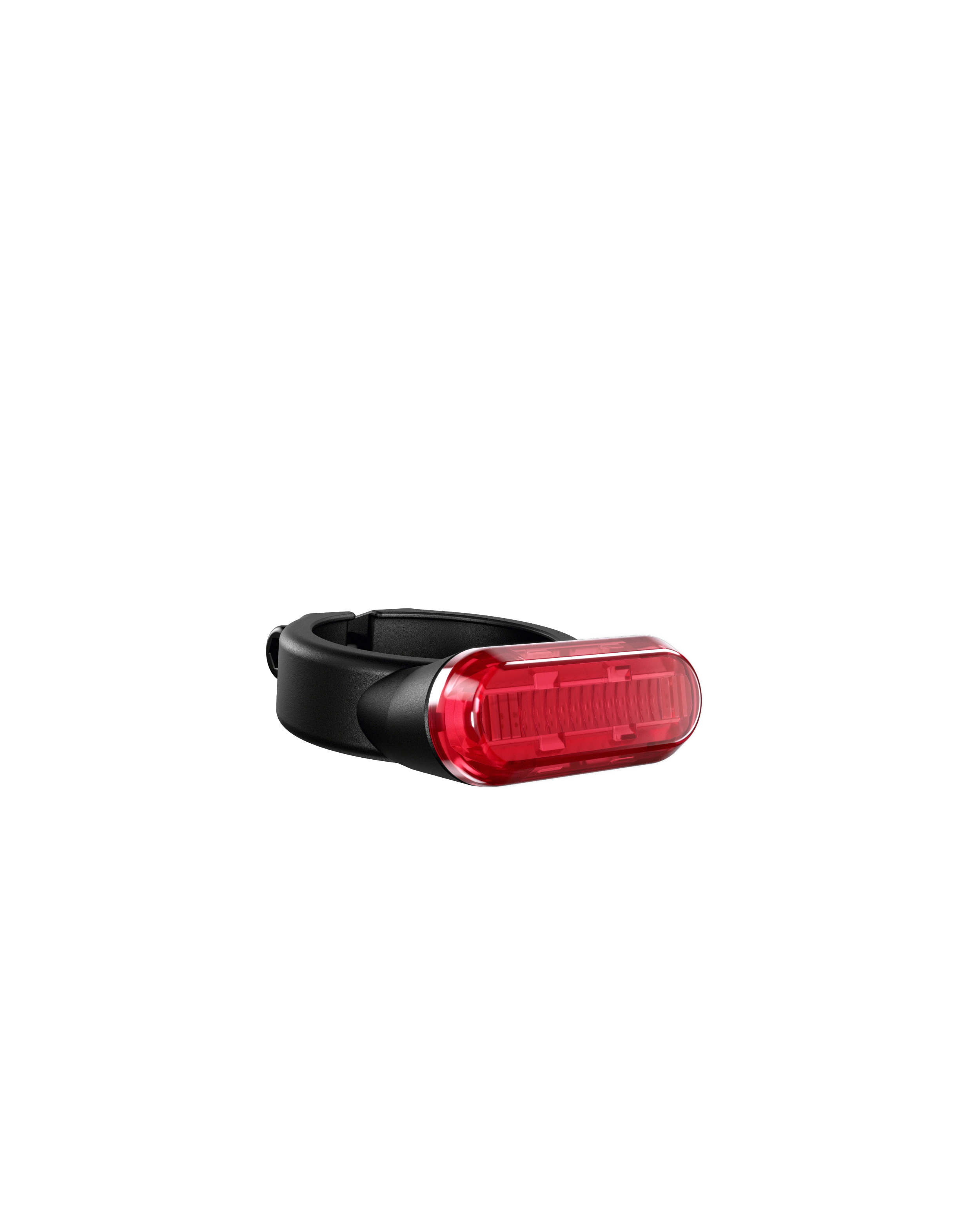
The taillight must emit red light and be mounted in such a way that it is always clearly visible. Additionally, a large-area rear reflector is required, which also functions without active lighting.
In addition, reflectors must be attached to the bicycle. These include a white reflector at the front, a red one at the rear, and side reflectors, which are either integrated into the spokes or can be replaced by reflective tires. The pedals must also have yellow reflectors.
Only the interaction of these components fully meets the legal requirements.


What happens without StVZO-compliant lighting?
Anyone riding without approved bicycle lighting risks a fine. Depending on the situation, this can range between 20 and 35 euros, for example, if other road users are endangered or an accident occurs.
However, the real factor is not the fine, but safety. Without standard-compliant lighting, one is significantly less visible in road traffic. Especially in poor lighting conditions, this can be crucial.
In addition, in the event of an accident, problems with the insurance company can arise if no proper lighting was used.




StVZO vs. Off-road Lights: What's the Difference?
Many powerful bicycle lights from the sports and MTB sector do not have StVZO approval. The reason for this is not a lack of quality, but rather their intended use.
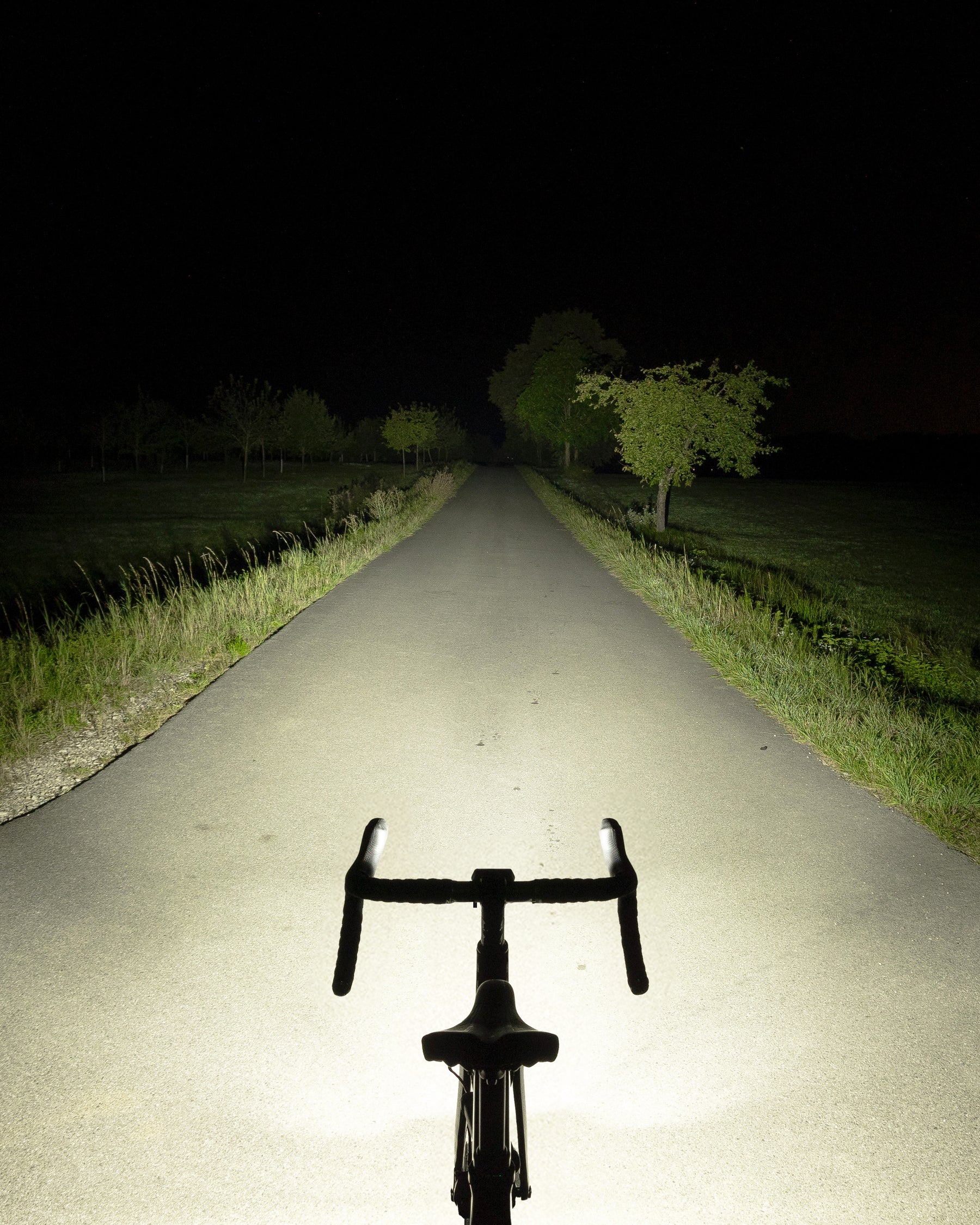
Off-road lights are designed to emit as much light as possible in all directions to provide maximum visibility off-road. In road traffic, however, this light would dazzle others because there is no defined light-dark boundary.
StVZO-compliant bicycle lighting, on the other hand, works with targeted light guidance. The light is directed in such a way that the road surface is optimally illuminated without impairing other road users.
Modern systems combine both worlds by offering different modes. This allows switching between road-legal lighting and powerful off-road light.


What really matters with StVZO-compliant bicycle lighting
A common misconception lies in the evaluation of brightness. While many lamps prioritize the lumen count, the lux count is crucial for StVZO-compliant lighting.
Lux describes how much light actually reaches the road. A lamp with lower overall power can be significantly more effective with precise light distribution than a system with a high lumen count but undirected illumination.
Equally important is lateral visibility. Good StVZO lamps not only illuminate forward but also ensure that one is better perceived at intersections.
Modern systems also offer additional features such as high beams or wireless control, allowing for flexible adjustment of light output.


Lupine and StVZO: Fulfilling standards and thinking ahead
With the SL series, Lupine combines the legal requirements of the StVZO (German Road Traffic Licensing Regulations) with a clear demand for performance and quality.
Models such as the SL Grano F offer precise illumination for road bike and gravel riders, while achieving a long range with a clearly defined light-dark boundary. For maximum performance, the SL Minimax AF provides reliable visibility even at higher speeds.
The SL Nano was specially developed for use on e-bikes and integrates directly into the existing battery system. All models have a valid test number and comply with legal requirements.
At the same time, development goes beyond mere standards. The goal is a light pattern that is not only approved but also performs convincingly in practice.




Conclusion: Safety Starts With the Right Light
StVZO-compliant bicycle lighting is not only a legal requirement in road traffic, but above all a question of safety. What matters is not the highest lumen count, but a precise light distribution with a clearly defined light-dark boundary, a valid test number and good lateral visibility. Those who pay attention to these factors are not only compliant, but are also seen earlier and recognise obstacles in time. Lights such as Lupine's SL series show that legal requirements and high real-world performance are not mutually exclusive – but together ensure greater safety. Safety really does begin with the right light.