


From Garage to Manufacture: How Lupine became the standard for premium bicycle lighting
The Beginning: When Darkness Becomes a Problem
Lupine's origins were not in market analysis, but in a real problem. In the late 80s, there was hardly any powerful bicycle lighting available. Anyone cycling off-road at night had to make do with dim light.
This situation led to the first in-house solution. Not to sell a product, but to be able to ride better. This very approach still shapes Lupine today: products are created from a real need – not from trends.

LED Pioneer: When the Market Still Relied on Halogen
While the market long relied on halogen lamps, Lupine recognized the potential of LED technology early on. The advantages were obvious: LEDs offer more light output, are more efficient, more durable, and significantly more robust in use.
Lupine was one of the first manufacturers worldwide to develop powerful and waterproof LED lamps for outdoor use. This decision was a turning point and continues to shape the brand today. Instead of following existing solutions, Lupine deliberately sets its own standards.

Made in Germany: Development, Manufacturing, and Quality Control Under One Roof
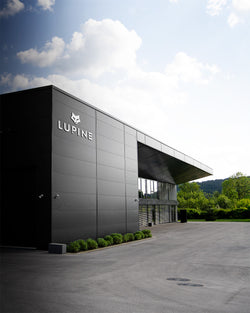
A crucial difference from many other manufacturers lies in the consistent production in Germany. In Neumarkt, not only ideas are born, but also the finished products.
This includes the development of electronics, software, housing design, and production itself. The lamp heads are milled from solid aluminum blocks, precisely machined, and then refined. Each component is carefully selected and tested before being assembled in the final stage.
This close proximity between development and production allows for a level of control that is hardly achievable in globally distributed supply chains. At the same time, it ensures that products can be maintained and repaired in the long term.

Why Lupine is considered a reference
Over the years, Lupine has built a reputation that extends far beyond the bicycle industry. The brand stands for uncompromising quality, high light output, and absolute reliability.
One reason for this is its consistent focus on demanding areas of application. Whether on nocturnal mountain bike trails, in daily road traffic, or for professional use – the products are designed to perform under real-world conditions.
Added to this is the technological ambition. Lupine integrates modern control systems, continuously works on developing lighting technology, and relies on solutions that noticeably improve users' daily lives.





Who are Lupine lamps made for?
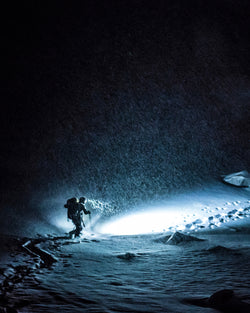
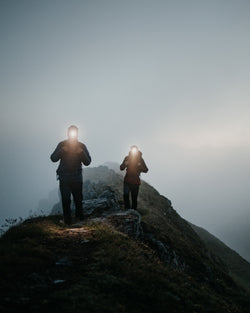
Lupine lamps are made for people who need to rely on their light. In sports, these are road and gravel cyclists, mountain bikers on night-time trails, as well as trail runners, mountaineers and ski tourers who are out even in the dark. In everyday life, commuters benefit from reliable, road-legal lighting that works every day. Beyond that, emergency services, forestry and trade businesses also rely on the performance and robustness of the systems. As different as these areas of use are, they share one thing: the demand for light that works reliably under real-world conditions – and that is exactly what every Lupine is made for.

Longevity as a Principle
A core principle at Lupine is sustainability through quality. Products are developed to be used for as long as possible. This is evident, among other things, in the avoidance of permanent bonding and the fact that components remain interchangeable.
In the event of a defect, lamps can be repaired instead of replaced. This approach stands in stark contrast to the throwaway mentality of many electronic products and underscores the commitment to developing long-lasting systems.

The Mission: Extend the Day
Behind Lupine lies a simple but consistent idea: to extend the day. Darkness should not be a limit, but merely another condition under which you can move safely and freely. Whether it is the after-work ride after sunset, the night ride on the trail or the early tour before dawn – good light makes activities possible that would otherwise end with daylight. This is exactly what drives development at Lupine. It is not about putting as many lumens as possible on a data sheet, but about giving people more usable time – regardless of the hour.

From the Upper Palatinate to the World
What began in a garage in the Upper Palatinate is now in demand far beyond Germany. Lupine lighting systems are used internationally – by cyclists, outdoor enthusiasts and professional users across several continents. Development and manufacturing deliberately remain in Neumarkt, because it is precisely this proximity that ensures the quality the brand stands for. Lupine is an example of how a simple idea can become a technological benchmark. Over 35 years of experience, consistent development and a clear commitment to quality have shaped the company. What has remained is the original idea: to create light that can do more than just illuminate. Made in Germany. Since 1989.